
Book cover design services built around your story, genre, and format
Readers make quick decisions from a small cover image, often before they reach the description. Our standard service starts with your manuscript or synopsis, then turns the right direction into a custom cover using licensed imagery, deliberate typography, and a layout built for the formats you plan to publish. You approve the concept before refinement, and the final files are prepared for print, ebook, or both according to your written scope.
- Custom book cover design shaped by your genre and audience
- Front, back and spine built to your printer's template when print is included
- Thumbnail readability checked before final approval
- Print vs ebook cover specs prepared as separate deliverables
Professional book cover design, one decision at a time
Good cover work gets easier when the decisions happen in the right order. We first work out what the book needs to communicate, then confirm the edition, scope, and creative direction. Only after those choices are clear do we build the final design.
Start with a genre appropriate cover direction
We read the manuscript, synopsis, or a detailed brief and look at the books your reader is likely to see beside yours. The aim is a genre appropriate cover that feels at home in the category without disappearing into it. We note common image choices, title scale, type styles, color expectations, and the visual cues readers use to recognize the genre.

Confirm print vs ebook cover specs before design
An ebook needs a front cover. A paperback needs a full wrap, and the spine width comes from the final page count and paper stock. Hardcovers can require a case, a dust jacket, or both. We confirm trim size, format, printer, retailer, and print vs ebook cover specs early so the design does not have to be rebuilt later for a preventable production issue.
Define the custom book cover design scope
Your written scope states how many concepts you will see, how many revision rounds are included, which file formats will be delivered, and what image or font licenses are part of the job. It also covers timing and fee. That makes the custom book cover design process easier to follow and keeps extra requests separate from the work already agreed.
Refine the concept with your book cover designer
We present distinct cover directions so you can compare genuinely different ideas. Each concept uses its own composition and type approach. You choose the direction that feels right for the book, then your book cover designer refines that choice through the revision rounds in your scope. The cover is final when you have approved it.
Test thumbnail readability before delivery
A cover is checked at full size and at the smaller size readers see in search results. We look at title legibility, contrast, focal point, and spacing, then prepare print files against the printer's template with bleed and safe areas in place. Digital files are exported separately. Thumbnail readability is part of the approval test from the start.
From brief to final files: what standard book cover design includes
Standard design works best when the creative direction and production requirements are planned together, with the final files defined from the start. The sections below show what is covered from the first research note to the handover.
-
Genre appropriate cover research
We review current covers in your category and write down the cues that matter: title scale, type style, image treatment, and how busy or restrained the shelf tends to be. The point is to give the design a clear reference for what readers expect and where your book can take a different route.
-
Licensed image sourcing for custom book cover design
When the concept uses photography, texture, or illustration, we source assets that are licensed for commercial book cover use and for the formats in your scope. We keep a record of each license for handover. If the right image does not exist, or if the cover needs exclusive character artwork, we will recommend custom illustration rather than force stock imagery into the job.
-
Book cover design concepts with a clear reader signal
You see a small set of distinct concepts built around different visual ideas. Each one is presented at full size and as a retailer thumbnail so you can judge the cover in the context where readers will actually meet it. The strongest direction is the one that makes the category and tone clear quickly, then gives the title enough presence to hold attention.
-
Typography and title treatment that stays readable
Typography carries more of the cover than most authors expect. We set the title, author name, subtitle or series line, and other required text so the hierarchy still works when the cover is reduced. The typography and title treatment are developed alongside the image, which keeps the front panel, spine, and back cover feeling like one design.
-
Front, back and spine prepared for print and ebook
Paperback and hardcover files are built to the printer's current template, with the final spine width calculated from page count and paper stock. Bleed and safe areas are checked before export. Ebook files are created separately at the size and format required by the retailer, because a print wrap and a digital front cover do different jobs.
-
Cover mockup, final files, and licensing handover
Before handover, you receive a cover mockup for a practical final review of scale and overall balance. Your package then includes the flattened files named in your scope and, where agreed, the layered working file. We also list the licensed fonts and images with their usage terms so you know what can be reused in marketing or future editions.
Your next cover starts
with a clear brief.
Have a manuscript, synopsis, or existing cover idea? Bring it to the conversation. We can tell you whether standard cover design fits the book, which formats need to be planned now, and what information we need before a designer starts. You receive a written scope before the work begins.

Professional book cover design
from brief to final delivery
A clear path from manuscript to files ready for retailers and printers
-
Read the book and define the category
We read the book or brief, identify the category, and decide what the cover needs to communicate at first glance. That gives the project a working direction before any layout work begins.
-
Build the book cover design layout
The designer builds the main composition with licensed imagery, author-supplied assets, or type-led graphic design. Tools such as Adobe Photoshop may be used for image compositing when the concept calls for it. The layout is built around the title instead of squeezing type into leftover space.
-
Set typography and title treatment
We set the title, subtitle, author name, and supporting text so the reading order feels obvious. Size, spacing, and contrast are checked at thumbnail scale before the concept is approved.
-
Review, revise, and approve
You give feedback on the chosen direction, and we apply changes within the revision rounds written into your scope. If you want to change to a different concept or add a new format, we price that work before starting it.
-
Prepare the final cover files
Once the design is approved, we prepare the files for the formats in your scope and check the printer template, spine width, bleed, safe areas, and retailer export size. You receive the final cover files with the relevant license information.
Good cover decisions start with how the book will actually be seen
A thriller rebuilt for thumbnail readability
The first version relied on a detailed photographic composite. At full size it looked fine, but the title and focal image lost clarity once the cover was reduced for an online listing. The redesign simplified the composition, increased contrast around the focal point, and gave the title more room. The story direction stayed the same. The cover was simply judged at the size readers would see first.
Read More
A nonfiction cover made genre appropriate
The original direction read more like a novel than a professional nonfiction title. We shifted the hierarchy so the title became the first thing the eye found, clarified the subtitle, and used the image with more restraint. The result fits the expectations of a business or reference shelf without making the design feel generic.
Read More
A full wrap rebuilt for the printer's template
A front cover can look finished and still fail in production if the spine, bleed, or barcode area is wrong. In this example, the full wrap was rebuilt on the printer's current template, with the spine calculated from the final page count and paper stock. The front, back and spine then worked as one file ready for upload.
Read More
Summaries of work carried out in house. Titles, authors and publication details are withheld under the confidentiality terms of the commissions.
Choose the book cover design service that fits your project
The right service depends on how much artwork needs to be created and what already exists. Standard cover design uses licensed imagery and typography. Custom illustration creates original artwork. Elite design expands the concept and production scope, while cover revision works from an existing cover that needs correction.



Professional book cover design
for the genre your reader expects
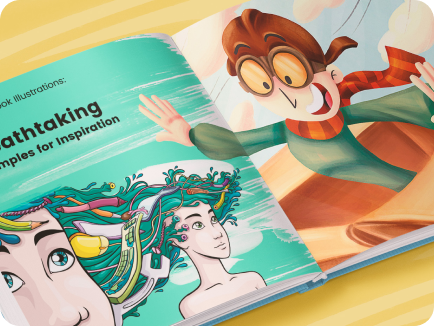
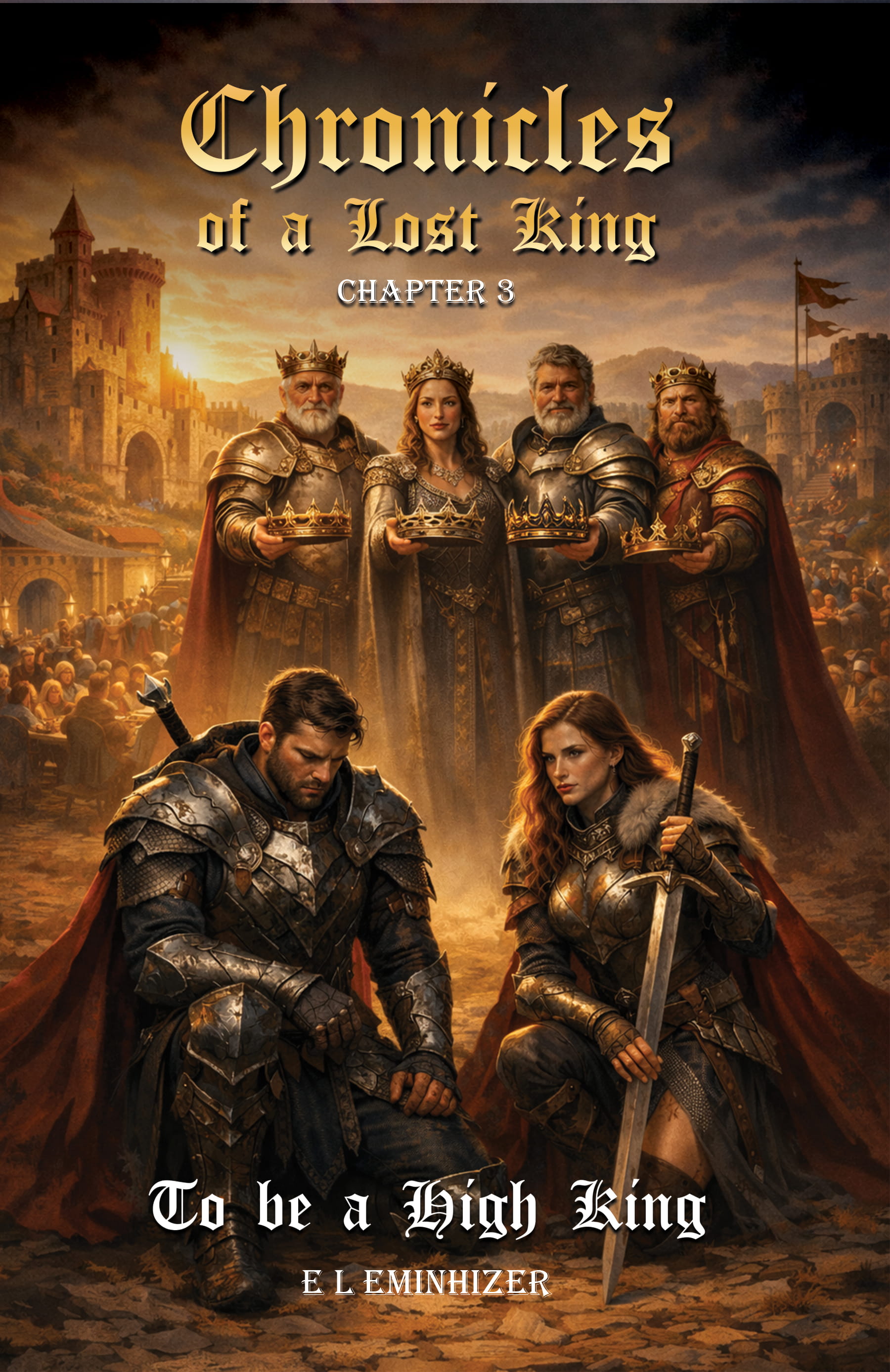
These published covers show how standard design changes with the category. A children's title needs a different visual promise from a memoir or a trading manual. Each cover uses its own balance of image, typography, colour and space so the genre is clear before a reader reaches the description.
-
 Chronicles of a Lost King
-
 Miniyamba: The Golden Serpent
-
 The Adventures of Daphne & the Vibrating Dog
-
 A Book of Positive Affirmations for Kids
-
 Down the Rabbit Hole
-
 The Life of a Chosen One
-
 How Do We Learn
-
 Phlebotomy Beyond the Textbook
-
 The AI Money Machine
-
 Motalaby Price Gravitational Swing
-
 Project Management Principles
-
 America at the Crossroads
About standard cover design
For the standard service, the scope can include category research, distinct design concepts, typography and layout, the revision rounds stated in your agreement, a full print wrap built to your printer's template, and ebook files sized for the retailers in your scope. Licensed images and fonts used for the agreed purpose are identified in the handover.
Standard design combines licensed imagery, type, texture, and author-supplied assets into a new cover. Custom illustration starts with artwork drawn specifically for the book. Standard design is usually the better fit when the visual idea can be built from existing licensed assets. Illustration is more suitable when the cover needs original characters, a scene that cannot be sourced, or artwork that must match illustrated interiors.
It is custom to the book. The designer works from your manuscript, synopsis, category, and brief, then develops concepts for that project. What is standardized is the service scope, including the number of concepts, revision rounds, and deliverables. That lets the work be quoted before design begins.
The number is written into your scope before work begins. The concepts are different in composition and visual direction, so you are choosing between real ideas rather than small variations. We show them at full size and at retailer thumbnail size to make comparison easier.
The included rounds are listed in your scope. They cover changes within the approved concept, such as type, crop, color, and placement. Choosing a different concept after approval or changing the format adds work, so any added cost is agreed before that work begins.
We use paid image libraries and licenses that allow commercial book cover use for the formats and print run in your scope. We do not rely on an editorial-only license for a commercial cover. Each licensed asset used in the design is identified in the handover.
Yes, standard stock licensing can allow the same image to appear elsewhere. We reduce that risk by checking how the image is already being used in your category and by treating it as part of a larger composition rather than dropping it into the design unchanged. If image exclusivity is important, custom illustration is the safer route.
Most standard projects are scheduled for about two to four weeks from an approved brief. Timing depends on how quickly concepts and revisions are reviewed, and on whether the final page count is ready when a print wrap is needed. Your schedule is confirmed with the scope.
Yes, for a print wrap. The final page count and paper stock determine the spine width, so the full wrap cannot be completed until the interior is set. We can approve the front cover while the interior is still being laid out, then build the spine and back once the count is final.
They produce separate files. Print covers are built against the printer's template at the correct resolution and color mode, with bleed and safe areas checked. Ebook covers are exported as front-only digital files at the size required by the retailer. One file does not substitute for the other.
Yes, within the licenses listed in your handover. Some image licenses allow broader marketing use than others, and some place limits on merchandise or print quantity. We explain the relevant terms in writing and can arrange an expanded license at cost when it is available and your plans require it.
You receive the rights and files described in your written agreement. We provide design services and do not take a share of what your book earns. Fonts and licensed images remain subject to their own license terms, which is why those items are identified separately in the handover.
Authors use both approaches. Platforms such as 99designs and Reedsy can help you connect with independent designers, while a managed service keeps the brief, licensing, revisions, print setup, and final handover under one scope. The better option depends on how much sourcing and project coordination you want to handle yourself.
Ready to hire a book cover designer?
Bring your manuscript, synopsis, or existing cover idea to a 30-minute conversation. We will talk through the genre, format, production requirements, and whether standard cover design is the right fit. If the book needs original illustration or a different level of service, we will say that before you commit to a scope.