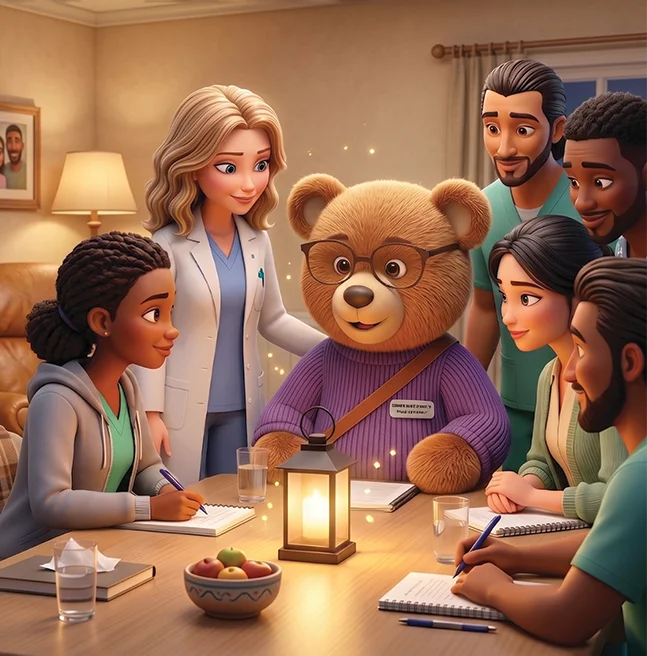
A polished 3D character illustration for books starts with an original model built around your story, not a borrowed character. We shape the face, proportions, materials and lighting first, then render the approved character across the scenes your book needs. You review the build before it appears throughout the final artwork.
Original 3D rendered characters designed for your book
Character model, materials and lighting approved before final scenes
Consistent proportions and features across the whole book
Final rendered artwork and agreed usage rights remain yours
How we work with you
How our 3D cartoon illustration service moves from story to finished scenes
The project follows five clear stages. Because 3D modeling takes the most work at the beginning, we settle the character brief, visual direction, scene list and deliverables before full production starts.
Count the characters, props and environments your book really needs
Character modelling for books is driven by the number of assets, not simply the number of pages. Two recurring characters can be reused across many scenes, while a large cast may require several separate builds. We read the manuscript, identify recurring people, objects and settings, and flag one-off elements that may add cost without adding much to the story.
Choose the animated style book illustration direction before modelling
An animated-film look can range from soft, rounded characters in simple settings to richer CGI scenes with detailed hair, fabric and environments. We agree how stylized the faces should be, how much background detail the book needs, and what resolution and page ratio the final artwork must support. This keeps the visual direction clear before anyone starts building models.
Put the 3D children's book illustration scope in writing
Your written scope lists the characters, props and environments to be built, the number of final scenes, review stages, revision rounds, file formats, schedule and fee. Animation, model turnarounds, extra camera angles and additional characters are only included when they are named, so you know what the project covers before production begins.
Approve the CGI style character design before it appears across the book
You first review the character sheet, then the base model, then a fully lit test render. This is the point to correct the face, proportions, costume, materials and overall feel. Once the character is approved, expressions and poses can be created from the same rig, which keeps the look consistent from scene to scene.
A render that looks bright and dimensional on a monitor can print darker or lose subtle detail on paper. After scene approval, we prepare the files at the required resolution and colour settings, place them against the cover or interior layout, and adjust exposure, crop or grading where the printed page needs it.
You Are Paying for the Build, Not Just the Number of Pages
Most of the work in stylized CGI illustration happens before the first finished page: character modelling, rigging, texturing, lighting and environment setup. Once those assets exist, they can be reused. We price the project around the builds your story needs and the render time they require, so the quote reflects the actual production work.
See the cost before modelling begins
We complete the cost breakdown while the character brief and asset list are still being agreed, before modelling starts and before a deposit is due.
Pricing follows the assets, not a flat per-image rate
Characters, props and environments are quoted as reusable builds. A story with a small recurring cast can be more efficient than one with many one-scene characters, even if both books have the same page count.
Render complexity affects the budget
Hair, fur, cloth, water, glass, crowds and complex lighting can add both artist time and machine render time. We identify those scenes early and price them separately instead of hiding them inside a flat rate.
The quote connects to the full production plan
Approved costs, rights and revision rounds are carried into the written scope and schedule, so the modelling, rendering and final file preparation all work from the same agreed plan.
3D Rendered Characters Prepared for Print, Ebook and Marketing
A scene prepared for a printed spread is not automatically right for an ebook thumbnail, website banner or social graphic. Print needs different resolution and colour handling, while small screens need simpler crops and stronger focal points. We prepare each approved render for the uses named in your agreement.
Because the characters and environments already exist as 3D assets, a scene can often be rendered again at another size or camera angle instead of being redrawn. That makes it easier to create print artwork, web versions and selected marketing crops from the same approved visual system.
Ready when you are
Start with the story, even if the character design is still rough.
You can come to us with a finished manuscript, rough character notes, reference images, or only a clear sense of the mood and age group. We will help work out whether a 3D cartoon illustration service fits the book, how many models it needs, and what should be settled before production starts.
We match you with a 3D illustrator whose character design, modelling and lighting suit your genre, age group and preferred level of stylization.
STEP02
Character sheet and base model
The illustrator develops the character design and a base 3D model first, so you can judge proportions, silhouette and facial structure before detailed texturing begins.
STEP03
Materials and lighting approval
A fully lit test render shows the final materials, colour palette and animated-film look. You review this before the same character is used across the rest of the book.
STEP04
Scene rendering and final polish
The approved models are posed in each scene, then lighting, render passes and finishing work are adjusted so the artwork reads clearly at the intended page size.
STEP05
Book-ready file preparation
After the scenes are approved, we prepare print and digital files for the cover or interior and supply the versions listed in your project scope.
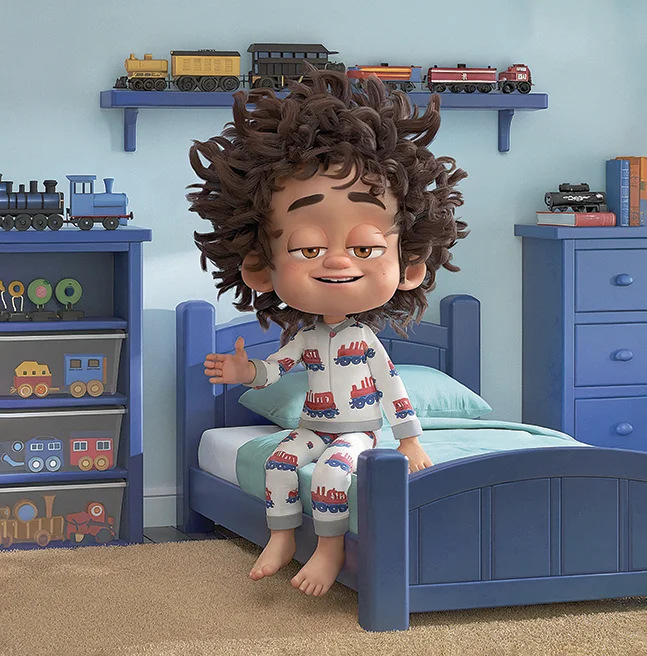
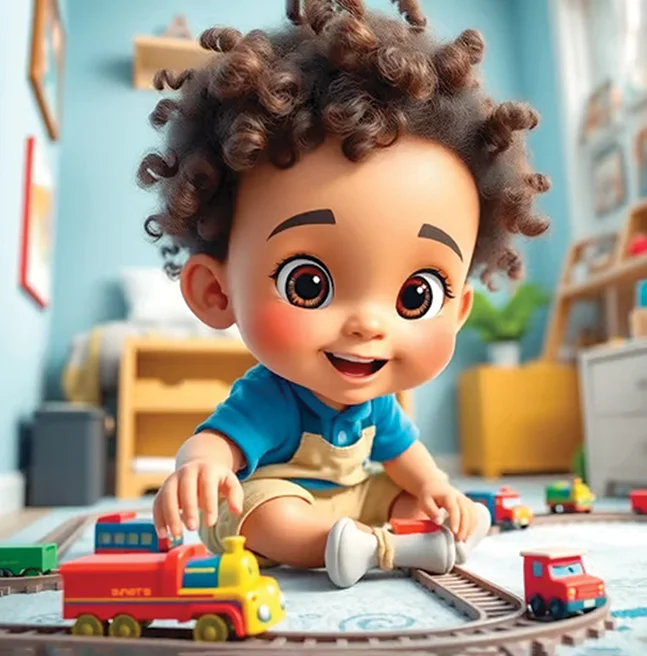
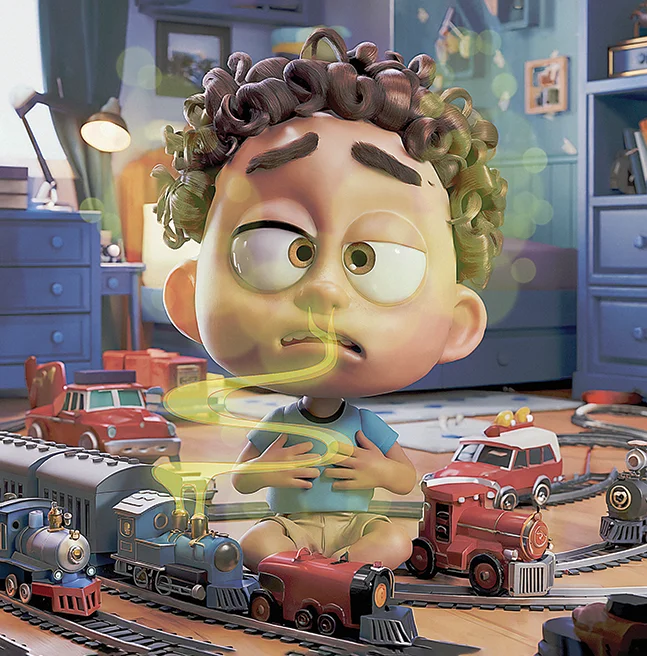
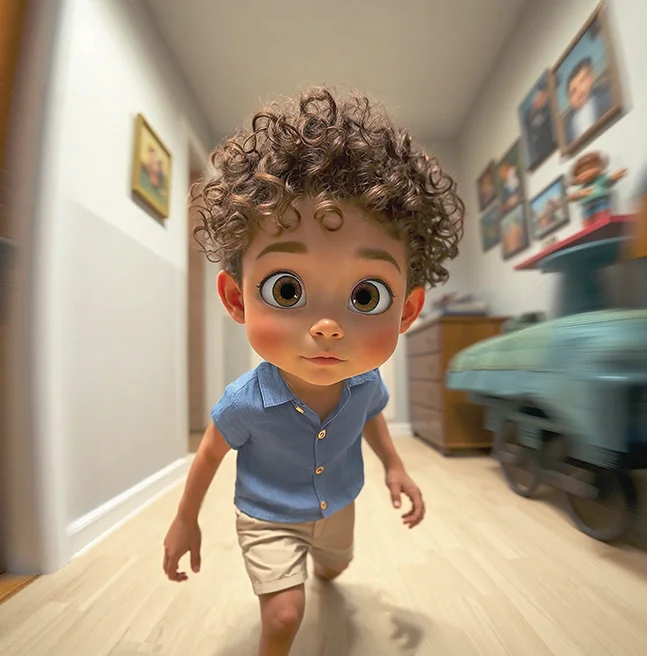
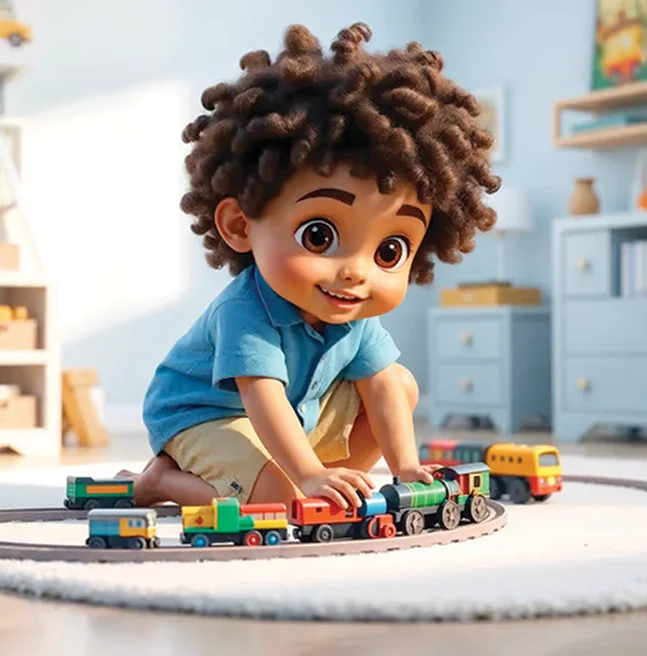
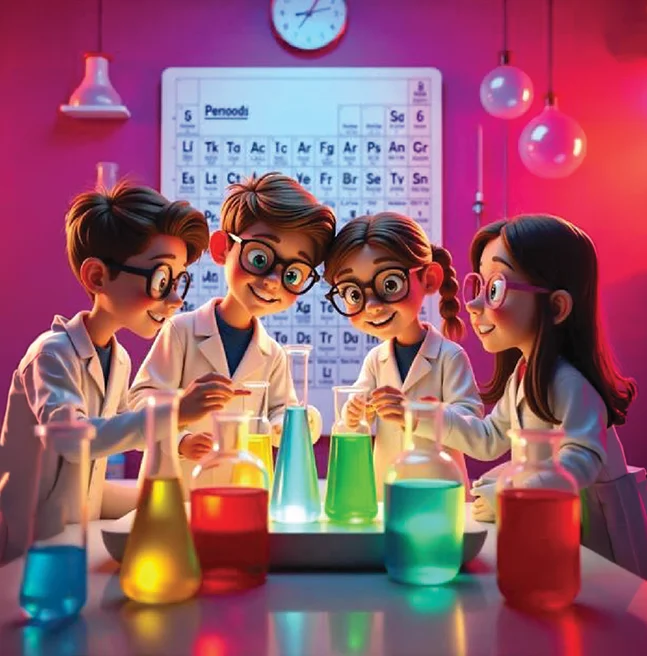
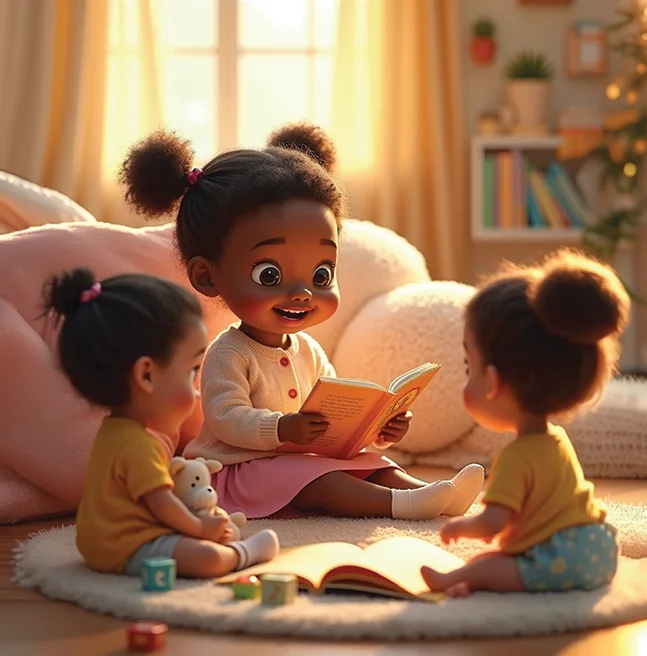
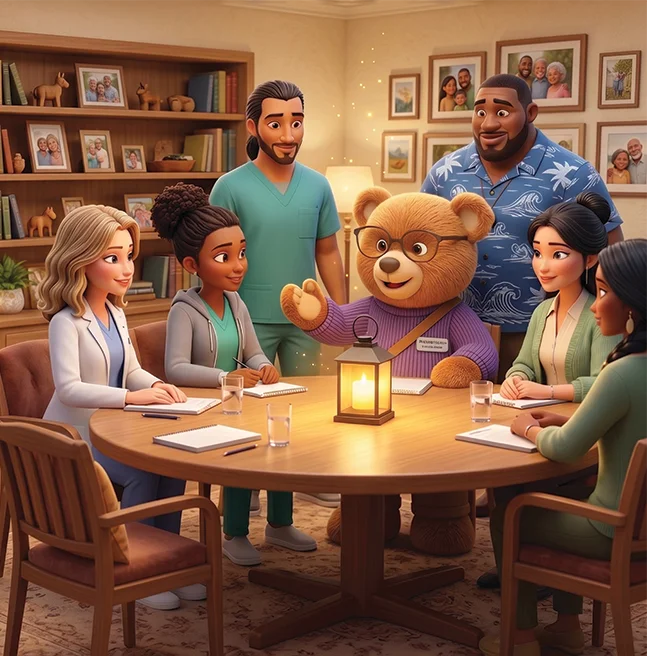
What Stylized CGI Illustration Can Look Like in a Children's Book
Planning a 3D Character Illustration for Books Project
A 3d character illustration for books project affects more than the artwork itself. Page size, print needs, ebook use and the level of CGI production all shape the schedule, cost and build process from the start.
A strong 3d children's book illustration or animated style book illustration project is usually front-loaded. Character design, character modelling for books and scene planning need approval before final images are rendered. This is especially important in a 3d cartoon illustration service, where 3d rendered characters and layout decisions depend on one another.
We also plan for future use early. If you want stylized cgi illustration, an animated film look or later marketing assets, the 3D modeling workflow should support that from the beginning. Tools such as Blender help build a consistent Illustration system instead of isolated single images.
Our commitment
Why authors choose us for 3D character illustration for books
A portfolio shows the visual quality of the 3D work. The written agreement should also tell you who manages the project, what files you receive, which stages require approval and whether the working models are included.
One person manages the schedule, answers your questions and keeps the artwork moving through character sheet, base model, lit test render, scene rendering and file handover.
02
An illustrator matched to your book
You are matched with a 3D illustrator whose existing portfolio suits your genre, audience and preferred level of stylization, and you see samples of their work before the project is confirmed.
03
You keep ownership of the artwork
Your copyright, your approved renders and the rights named in your agreement remain yours. We provide illustration services. We do not acquire your book or your artwork.
04
A fixed written scope
Asset list, scene count, review stages, revision rounds, fees and exclusions are agreed before work begins, and nothing is called finished without your approval.
Illustration styles
Find the Illustration Style That Fits Your Book
There is no single right look for every story. The best illustration
style should feel natural to the book, connect with its readers and
work well in the finished format. We work across watercolor,
character-led 3D, digital painting, cartoon, flat vector, painterly
storybook, black and white, and full-colour interior illustration, so
you can compare different directions before settling on one. If you
already have references or a visual idea in mind, bring them along. We
can help turn that starting point into a clear, consistent illustration
style for the whole book.
No. Existing studio characters and distinctive protected designs belong to their rights holders. We do not trace, rebuild or imitate a specific character. We can create an original character with broad animated-feature qualities such as rounded forms, expressive faces, polished lighting and a stylized CGI finish, while keeping the design specific to your book.
The model is rigged with controls for the face and body. The illustrator then poses that same approved character for each scene instead of redrawing it. This gives the character a reliable range of expressions while keeping its proportions and features consistent.
No. Winfrey Publishing is not affiliated with, endorsed by, sponsored by or licensed by Pixar, The Walt Disney Company or another animation studio. References to an animated-film look describe a broad visual direction only. All characters created for your project are original and developed for your book.
Your written scope separates revisions for the character design, model approval and final rendered scenes. Changes to camera, pose, colour or lighting within an approved direction are usually handled in those rounds. Remodelling a character or adding a new one after approval is additional work.
It takes the project from manuscript or brief to finished book-ready artwork. Depending on the scope, that can include character design, 3D modeling, rigging, texturing, environment creation, lighting, rendering and final file preparation. You approve the main stages before the work moves forward.
The model-building stage takes the most time. A single character or cover scene may take a few weeks, while a full book with several characters and environments can run for several months. The schedule becomes much clearer once the asset list, scene count and level of detail are agreed.
A 3D character is built as a model that can be posed, relit and viewed from different camera angles. That means more work at the beginning, but once the model is approved it can be reused across many scenes with very consistent proportions, materials and features.
Rendered images are the standard deliverable. Working model, rig, texture or Blender files are supplied only when the agreement includes them, because those assets can support future scenes, animation, sequels or other licensed uses. If you expect to need them later, raise it during scoping so the build and rights can be priced correctly.
Yes. Each scene uses the same approved character model, so proportions, colours, clothing and materials stay consistent across the book. Camera angle, pose and lighting can change, but the underlying character design does not drift from page to page.
Sometimes. A still-image model is not always prepared for full animation, even if it already has a basic posing rig. If an animated trailer or short is likely, tell us during the brief so the character modelling can be planned with that future use in mind.
Small material or colour changes can be straightforward because the model can be updated and affected scenes rendered again. Structural changes to the face, body or costume may require remodelling and sometimes rig changes, followed by new renders for every affected scene. That is why the model approval stage matters.
You receive the rendered artwork and the usage rights described in your written agreement. Working 3D assets are included only when the scope says so. Winfrey Publishing provides the illustration service and does not take a share of your book royalties.
Talk to a 3D Illustration Consultant
Plan the right 3D look for your book
Bring your manuscript or character notes. We will tell you what needs to be modelled, what to approve first, and whether a stylized CGI approach suits the story.