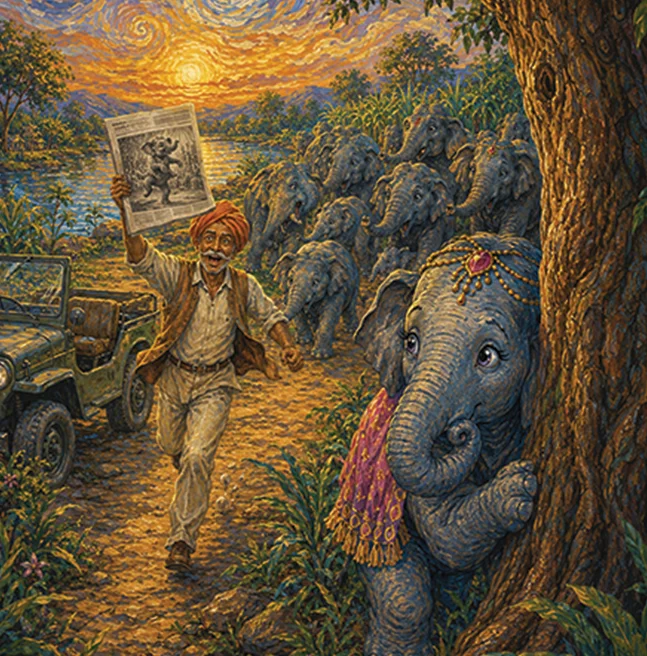
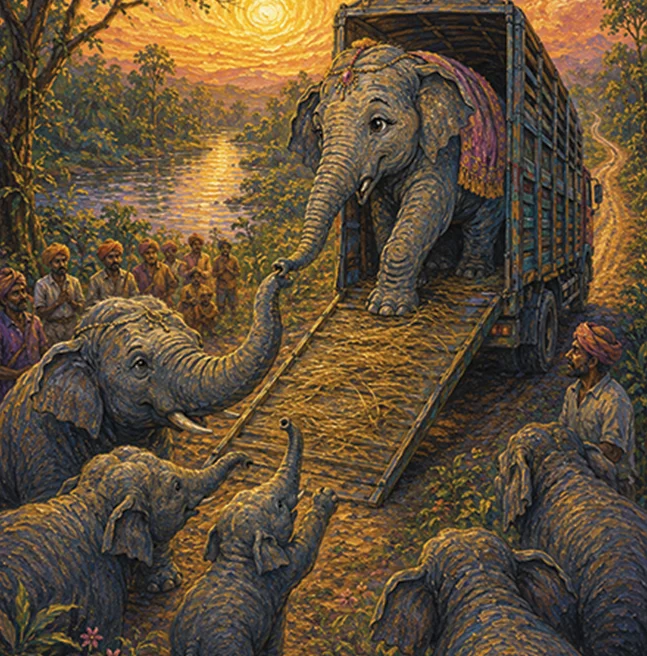
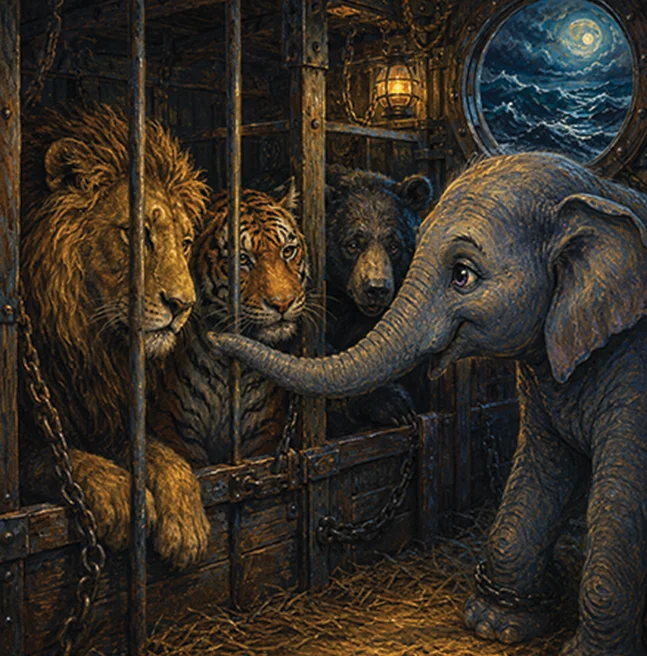
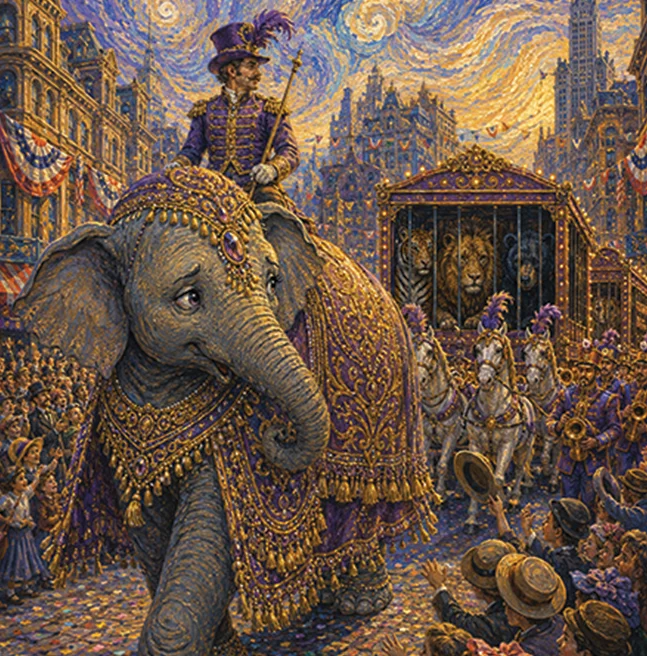
Storybook Illustration Style Built Around the Whole Story
Our storybook illustration style combines textured brushwork, layered colour and carefully built settings with characters that feel at home inside them. Before painting starts, we agree the visual references, map the page turns and decide how detailed the world needs to be, so the finished book feels consistent from the first spread to the last.
Reference images and visual direction agreed before the first sketch
Characters and environments designed as one visual world
Page turns planned before full painting begins
You keep the copyright and the finished artwork files
How we work with you
How a Painterly Illustration Service Moves From Manuscript to Finished Book
The work follows five stages. We settle the story, visual direction, settings and page plan first, then move into sketches, a sample spread and final artwork. You see each major decision before it becomes expensive to change.
Plan the classic storybook illustration as a sequence, not a gallery
A picture book is read through page turns, pauses and reveals. We map the manuscript to spreads first, deciding where each scene belongs, which moments deserve a full opening and which settings need to return later. That page plan gives the illustration a rhythm and keeps the artwork serving the story rather than competing with it.
Define the storybook illustration style before anyone paints
"Storybook" can mean soft and nostalgic, richly painted, whimsical, or closer to traditional picture book art. We work through references with you until the textured brushwork, palette, character expression and environment detail are clear. That shared visual brief becomes the benchmark for every later spread.
Scope the traditional storybook art service around worlds, not just image count
Your written scope lists the number of spreads, recurring characters, new environments, review stages, file formats, timing and fees. A book that returns to the same cottage or forest can reuse visual development; a story that moves to a new location on every page requires more design work. We make that visible before production starts.
Approve designs and one full spread before the rest is painted
Character sheets and setting studies come first. Next, we thumbnail the full book so you can see the page-turn flow, then complete one painted spread as the quality benchmark. Once you approve the composition, brushwork, palette and level of detail, the remaining artwork follows the same visual rules.
Painterly artwork can look perfect on its own and still need adjustment once typography is added. We place approved scenes against the interior layout and cover template, then check the gutter, quiet areas for text, trim and colour conversion. Small production fixes are handled before final delivery, not left for you to discover during formatting.
A Fairytale Illustration Service Is Priced by What Each Scene Requires
A quiet character portrait and a detailed castle banquet are both one illustration, but they are not the same amount of work. Pricing reflects the number of characters, environment complexity, textured brushwork, spread size, revision stages and usage rights. You see the breakdown before artwork begins.
Price visible before you commit
We confirm the budget while the visual references and page plan are still being agreed, before the first detailed design sheet and before any deposit is due.
Environments costed separately
Settings are a major part of classic picture book art. We count new locations against recurring ones, so you can see where the hours are going and decide whether every new environment is earning its place in the story.
Reviewed per spread
A small vignette, a full-page scene and a detailed double-page opening require different levels of work. Each spread is assessed by what it contains rather than being forced into one flat per-image price.
Connected to the written scope
Approved fees, revision rounds, rights and deliverables are carried into the project schedule. That keeps the page plan, production decisions and invoice working from the same agreed scope.
Classic Picture Book Art Prepared for Print, Ebook and Promotion
A painted spread has to work at trim size, across a gutter and sometimes as a much smaller ebook preview. Covers also need bleed, spine space and strong thumbnail readability. We prepare each piece for the uses named in your agreement rather than handing over one large image and expecting you to adapt it yourself.
The artwork is created at the largest size the project needs, with important faces and details kept clear of trim and gutter areas. From that master we prepare print-ready interior and cover files, screen versions for digital use, and any agreed marketing crops. The artwork stays consistent even when the format changes.
Ready when you are
Bring the world of your story into focus before production begins.
You may arrive with a finished manuscript, a folder of references or only a clear memory of how you want the book to feel. We will help turn that into a practical illustration brief, explain what the page plan and settings require, and put the scope in writing before full production begins.
How Our Traditional Storybook Art Service Is Produced
STEP01
Match the illustrator
We pair your project with an illustrator whose existing work fits the reading age, genre and painterly finish you want. You review relevant samples before the direction is confirmed.
STEP02
Build the visual world
Character designs, setting studies and page thumbnails are developed before final painting. This is where the classic storybook illustration language becomes consistent across the whole book.
STEP03
Approve the benchmark spread
One spread is taken to a finished level first. You review the palette, textured brushwork, lighting, character treatment and background detail before that finish is repeated elsewhere.
STEP04
Paint and refine the full sequence
The remaining spreads are completed against the approved benchmark. We check visual continuity, page-turn rhythm, character consistency and the balance between detailed scenes and quieter moments.
STEP05
Prepare the book files
After approval, the artwork is exported at the correct resolution and colour mode for your interior and cover. Any agreed digital or promotional versions are prepared from the same approved masters.
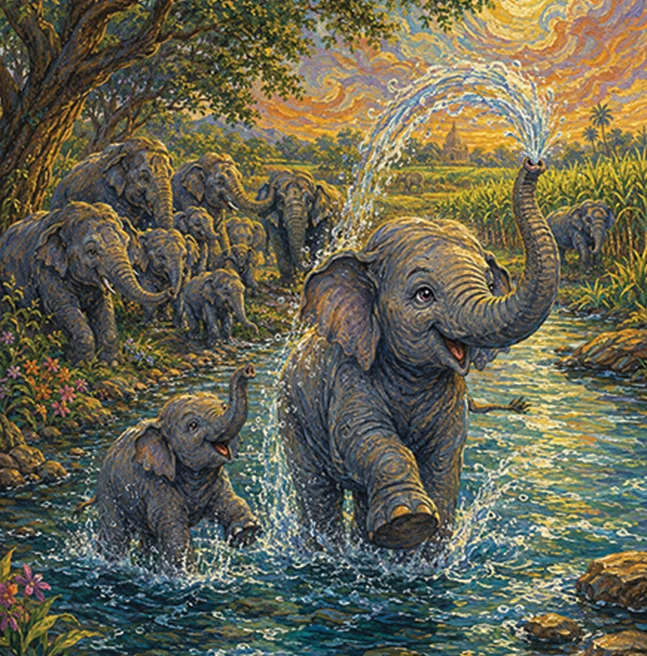
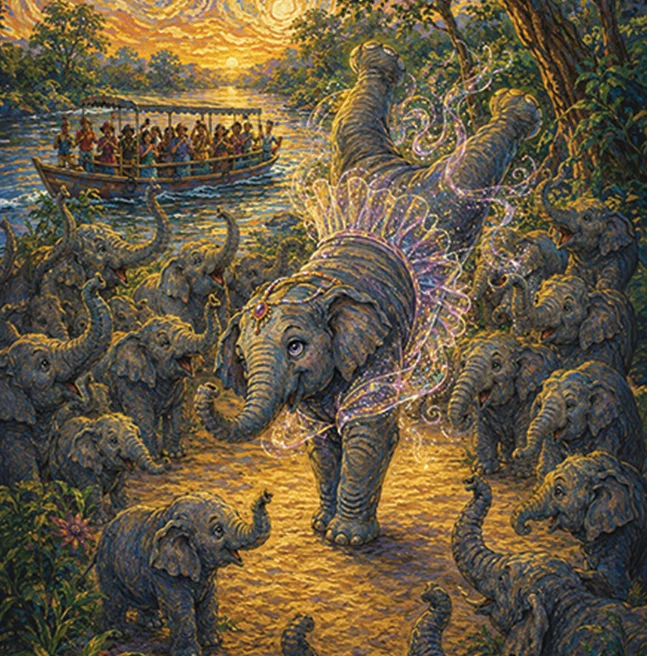
What a Painterly Storybook Illustration Style Can Look Like in a Book
Storybook Illustration Style for Timeless Picture Books
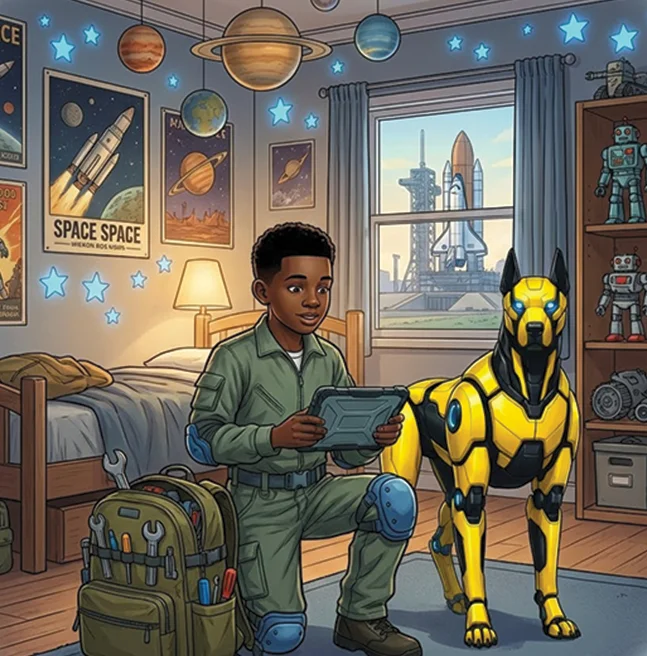
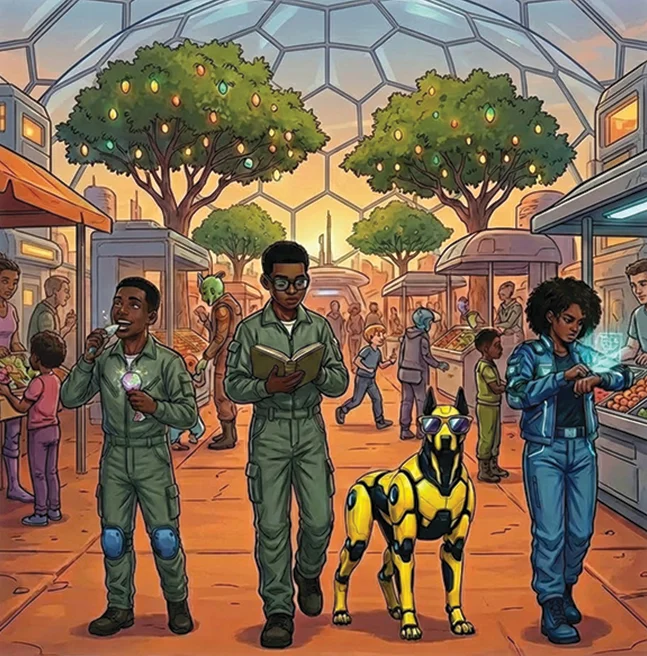
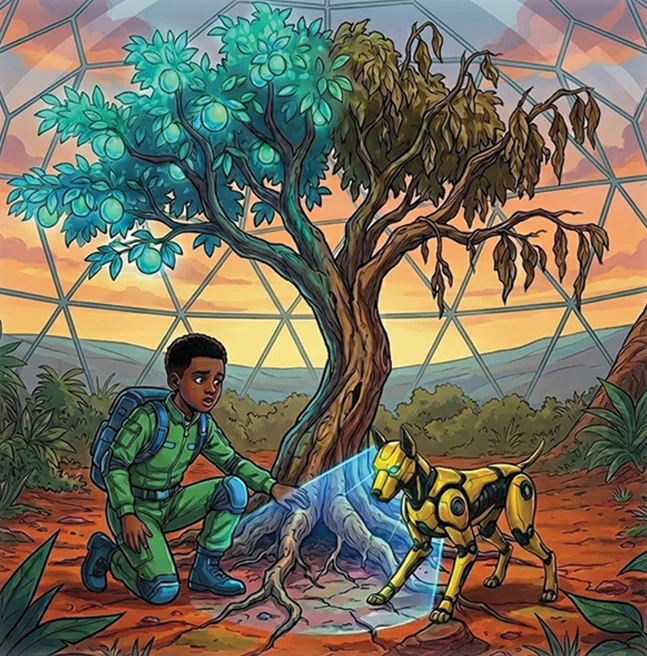
A storybook illustration style gives a book a warm, expressive visual identity shaped around the characters, setting and mood. Our painterly illustration service can be planned around classic storybook illustration, traditional storybook art service or fairytale illustration service needs.
The artwork can include textured brushwork, nostalgic illustration, fairy tale artwork and whimsical storybook scenes. This approach works especially well for classic picture book art where atmosphere, emotion and visual storytelling need to stay consistent across each spread.
You receive the approved Illustration files prepared for the intended print or digital format, with the Storybook and Fairy tale direction kept consistent throughout the Picture book.
Our commitment
What You Can Expect From Our Painterly Illustration Service
A portfolio tells you what an illustrator can paint. The agreement tells you who manages the project, what you receive, how approval works and which rights are included. We keep those practical details as clear as the visual brief.
One person manages the schedule, answers questions and keeps the project moving through references, design sheets, thumbnails, the benchmark spread, final painting and file handover.
02
An illustrator matched to your story
You see relevant work before the project is confirmed. The match is based on reading age, genre, the level of realism you want and whether the artist can handle the kind of environments your story needs.
03
You keep ownership of the finished artwork
Your copyright and approved artwork remain yours under the terms of the written agreement. We provide illustration services and do not take ownership of your book or a share of its earnings.
04
A fixed written scope
Spread count, character and environment development, references, revision rounds, rights, fees and file deliverables are agreed before production starts. Extra work is discussed and quoted before it is added.
Illustration styles
Find the Illustration Style That Fits Your Book
There is no single right look for every story. The best illustration
style should feel natural to the book, connect with its readers and
work well in the finished format. We work across watercolor,
character-led 3D, digital painting, cartoon, flat vector, painterly
storybook, black and white, and full-colour interior illustration, so
you can compare different directions before settling on one. If you
already have references or a visual idea in mind, bring them along. We
can help turn that starting point into a clear, consistent illustration
style for the whole book.
It covers the work between your manuscript and finished, production-ready artwork. That usually includes page planning, character and setting design, thumbnails, a benchmark spread, final painting, revisions and preparation of the files your cover and interior need. You approve the major stages instead of seeing the finished book for the first time at the end.
The answer comes from the page plan, not the word count alone. A picture book may need artwork on nearly every opening, while a longer fairy tale might combine full spreads with smaller chapter pieces. We map the manuscript first, then recommend a count that fits the pacing and budget.
Watercolor usually relies on transparent washes, visible paper and lighter backgrounds. Painterly storybook art can use more opaque layers, deeper environments and stronger modelling of light and form. Both can feel gentle or nostalgic; the better choice depends on how much weight the world of the story needs to carry.
Because every spread affects the next one. Thumbnails let us vary camera distance, page-turn reveals and quiet areas for text while changes are still quick. They also stop two similar compositions from landing side by side. Fixing pacing early is far easier than repainting a finished spread.
Painterly storybook art works especially well when readers need to believe in the setting: a forest with its own atmosphere, a castle that returns throughout the book, or a small town that feels lived in. If the story is lighter and more graphic, watercolor or flat illustration may be a better use of the budget.
We can discuss broad qualities such as loose textured brushwork, a muted nostalgic palette, detailed environments or simpler character shapes. We do not reproduce a living artist's distinctive style or copy protected artwork. The final visual direction is developed specifically for your book.
It is a broad description, not one fixed technique. For one author it means classic picture book art with soft edges and warm colour; for another it means dramatic fairy tale artwork with deep settings. We use reference images and specific visual notes so you and the illustrator are talking about the same thing before work begins.
Your scope lists revisions separately for design sheets, thumbnails, the benchmark spread and final artwork. Adjustments within an approved direction are normally included. A new environment, redesigned character or major style change after approval is treated as additional work and priced before it starts.
It can be either, or a combination. Some artists paint traditionally and scan the artwork; others create painterly texture digitally; some combine hand-painted marks with digital assembly. The production method is agreed in advance, especially if layered working files or late revisions matter to you.
Painterly books take longer than simpler illustration styles because the environments and lighting have to be designed as well as painted. A single cover may take a few weeks. A complete picture book with detailed spreads usually takes several months. We confirm the schedule after the page plan, references and scope are agreed.
A setting is a designed asset in its own right. A recurring cottage, woodland or town has to stay recognisable from different angles and under different lighting. A story that revisits three locations is therefore a different job from one that introduces a completely new world on every spread.
You receive the rights and files stated in your agreement, including the approved production-ready artwork. We provide the illustration service; we do not acquire your story, your artwork or a share of book revenue.
Talk to an Illustration Consultant
Find the storybook direction your book actually needs
Bring your manuscript, references or even a rough visual idea. We can help you decide whether a painterly storybook illustration style suits the book, what the environments and page plan are likely to require, and where a simpler style could save money without weakening the story.