Your voice is the standard
The writer studies how you speak, argue, explain, and qualify a point. Early pages are used to calibrate the voice before the draft gets long.

Tell us which stages your book still needs and we will quote the whole set in one place.
Request a single quoteOur business ghostwriting services help CEOs, founders, consultants, and entrepreneurs turn hard-won experience into a clear business book. A specialist business book writer interviews you, finds the argument inside the material, and writes it in a voice that still sounds like you.
Most business books do not begin with a blank page. They begin with decisions you keep explaining, frameworks your team already uses, lessons you learned the expensive way, and a point of view that has never been gathered in one place.
You do not need a Harvard Business Review byline or a finished draft to write a business book. We can work from interviews, board notes, keynote decks, podcasts, internal playbooks, case studies, investor updates, or a founder story that has never been written down.

A strong business book has a job. It may sharpen your thought leadership, help prospects understand how you think, or capture the company story before the details disappear. We define that job before we decide the chapters.
An executive authority book gives your ideas room to breathe. Instead of asking readers to piece together talks and posts, the book presents one argument, with the reasoning, examples, and limits made clear.
If clients buy your judgment, the book should show how that judgment works. We turn frameworks, decision rules, case examples, and operating principles into chapters a reader can actually use. A short lead magnet book can support a campaign; a full business book has to be useful even to someone who never becomes a client.
A good book can enter conversations before you do. Prospects, partners, conference organizers, and future hires can see how you think without sitting through a pitch. That is the practical value behind the phrase book as a business card: the book carries your judgment, not a sales script.
A founder story book or business memoir works when it includes the messy parts as well as the wins: wrong turns, hard choices, pressure, and the ideas that changed. We shape the narrative around what a reader can learn, while keeping the company context accurate and commercially sensible.
A business book for entrepreneurs can turn years of entrepreneurship into something that travels well beyond a founder's current audience. It can be handed to a prospect, recommended by a peer, used before a workshop, or found by a reader who has never seen your website. The book gives the thinking a life outside your calendar.
Business books touch reputation, confidential information, and sometimes live commercial relationships. The working agreement should remove surprises. We set the voice process, approvals, ownership, confidentiality, and scope before the manuscript starts to grow.
The writer studies how you speak, argue, explain, and qualify a point. Early pages are used to calibrate the voice before the draft gets long.
We agree who the book is for and what it should change in the reader before deciding how much material belongs in it.
A sample section and staged chapters give you a chance to correct tone, facts, and emphasis while changes are still easy to make.
Interviews, company information, unpublished stories, and sensitive figures are handled under the confidentiality terms in the written agreement.
Copyright, royalties, and the approved manuscript files remain with you under the project agreement.
Deliverables, revision rounds, exclusions, and any added work are documented so the project does not quietly expand around you.

A ghostwriter can organize and write the book, but the judgment has to come from you. We need the stories behind the decisions, the examples that prove the method, the limits you would put around your own advice, and the outcome you want the reader to reach. That is what keeps a business book from turning into generic content.
You do not need to arrive with a chapter plan. Rough notes, recordings, speeches, workshop material, investor letters, client questions, old articles, and an unfinished draft can all be useful. We sort the material first, then identify what still needs to be learned in interviews or research.
You should always know what has been completed and what comes next. The written scope turns the project into a series of concrete outputs, each with a review point, rather than a long stretch of invisible writing followed by a surprise manuscript.
The exact deliverables depend on the kind of book. A focused executive authority book, a research-heavy thought leadership title, and a long business memoir do not need the same process, so the scope is built around the actual project.
Business writing covers far more than leadership advice. These are the subjects authors most often bring to us, each one written for a specific reader rather than for a general audience.
If you are ready to hire a ghostwriter for a business book, the useful first question is not how many words you need. It is what the book should do for the reader and for the business. We use the consultation to test the idea, narrow the promise, and identify the strongest route into the manuscript.
We clarify the reader, the problem the book will address, your point of view, the role of the company or personal brand, and any confidentiality or approval requirements.
You review the proposed positioning, central argument, chapter order, interview plan, research needs, and project schedule before drafting begins.
Your writer interviews you and other agreed contributors, works through the source material, completes the approved research, and drafts chapters in the voice established at the start.
Chapters arrive in stages. You correct facts, sharpen examples, flag sensitive material, and request revisions within the agreed rounds before the next section moves ahead.
We complete the included revisions and prepare the final manuscript files. If editing, design, publishing, or marketing is also in scope, the project moves into those services only after the manuscript is approved.
Production timelines are estimates. Actual schedules vary with manuscript length, revision rounds, author response time and third-party retailer processing.
A CEO book can establish a clear leadership philosophy. A founder story book can explain how a company was built. A business memoir can turn experience into lessons, while a practical playbook can teach a repeatable method. The format follows the idea, not a template.
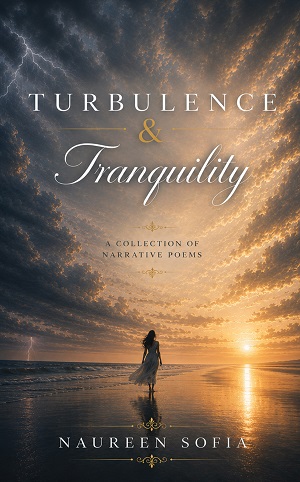 Turbulence & Tranquility
Narrative poetry · Naureen Sofia
Turbulence & Tranquility
Narrative poetry · Naureen Sofia
 Dina's Big Heart Glow
Children's picture book · Liz Moonwell
Dina's Big Heart Glow
Children's picture book · Liz Moonwell
 Knocked-out Sleepy Trebber
Children's fiction · Ethan Hawthorne
Knocked-out Sleepy Trebber
Children's fiction · Ethan Hawthorne
 The Dark Stormy Night
Suspense · Armani Denzel Siner
The Dark Stormy Night
Suspense · Armani Denzel Siner
 Dumb Luck
Contemporary fiction · Anthony De Paul
Dumb Luck
Contemporary fiction · Anthony De Paul
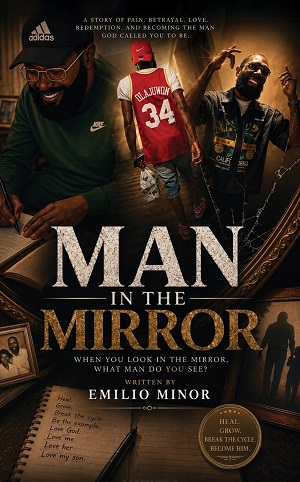 Man in the Mirror
Memoir · Emilio Minor
Man in the Mirror
Memoir · Emilio Minor
 The Weakened Heart, Strengthened Soul
Inspirational · Warren Delfin
The Weakened Heart, Strengthened Soul
Inspirational · Warren Delfin
 Architecture Governance and Execution
Technical nonfiction · Prab Singh
Architecture Governance and Execution
Technical nonfiction · Prab Singh
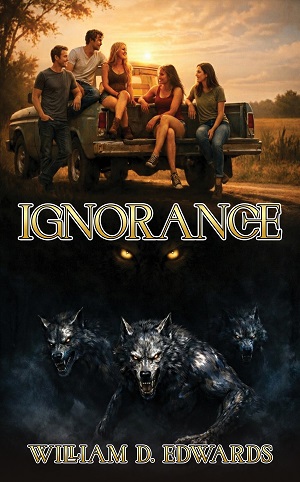 Ignorance
Horror · William D. Edwards
Ignorance
Horror · William D. Edwards
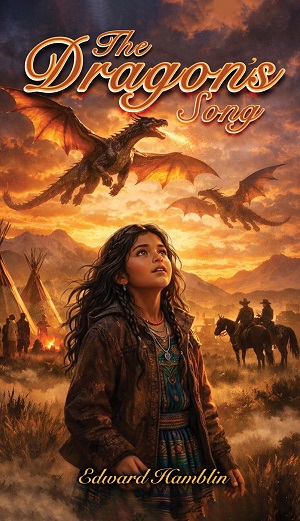 The Dragon's Song
Fantasy · Edward Hamblin
The Dragon's Song
Fantasy · Edward Hamblin
 On the Edge of Love
Literary fiction · Edwin Fuller
On the Edge of Love
Literary fiction · Edwin Fuller
 Connection of Echoes
Poetry · GRG
Connection of Echoes
Poetry · GRG
A thought leadership book writer has to do more than make sentences sound polished. The writer needs to follow the commercial logic, notice where an argument is thin, and ask questions that produce useful material. The same is true of a CEO book writer working with leadership, strategy, culture, or a founder narrative.
We match the project with a writer who can follow the subject and ask informed questions. The goal is to preserve the detail that makes your thinking yours, not flatten it into general business advice.
Interviews, voice references, and an early sample come first. You can say what sounds right, what feels too polished, and what misses your natural way of explaining an idea before dozens of pages depend on it.
Client names, revenue figures, internal decisions, unpublished plans, and anything covered by an NDA are flagged for review. You decide what stays, what changes, and what should never appear in the book.
Copyright, royalties, and the approved manuscript files remain yours under the written agreement. Your name appears on the book. We provide the writing service and do not acquire ownership of the work.
Yes. We decide early how visible the company, offer, or personal brand should be. An executive authority book can support thought leadership and commercial credibility without reading like a brochure. The argument has to stand on its own for the reader.
Sensitive material is identified during interviews and again in the draft. Client names, contract terms, private financials, internal disputes, and information under an NDA can be removed, anonymized, or rewritten with your approval. Confidentiality terms are set out before the work begins.
Yes. Business books often become useful when the reader can see the model, not just hear about it. We can draft frameworks, tables, diagram briefs, case studies, and explanatory notes as part of the agreed scope. Any real client material is marked for permission and fact checking.
You meet the proposed writer before the main drafting begins. We look for someone who can follow the language, economics, and operating logic of the subject, then ask useful questions without pretending to be the expert. You should not end up with generic copy that sounds like an imitation of Harvard Business Review.
A business ghostwriter turns your expertise, experience, and point of view into a manuscript published under your name. The work usually includes interviews, book strategy, structure, drafting, and revisions. You provide the judgment and source material. The ghostwriter does the writing and does not claim authorship.
No. Many authors start with an idea and a body of experience rather than pages. Notes, presentations, recorded talks, emails, workshop material, and past articles can all become source material. We use the first stage to find the argument and identify what is missing.
Yes. Structured interviews are often the fastest way to capture a busy founder or CEO. We can also work from podcasts, webinars, speeches, meeting notes, and other approved material. The useful parts are organized into the chapter plan rather than copied into the manuscript.
The schedule depends on length, research, interview availability, and how quickly chapters can be reviewed. We agree dated milestones before drafting begins. A shorter authority book can move differently from a full business memoir, so the timeline is built around the actual scope.
Pricing is quoted per project after we review the idea and source material. The fee reflects manuscript length, research, interviews, revision rounds, and any specialist requirements. You receive the scope and price in writing before deciding whether to proceed.
Yes. Your identity, source material, business information, and the existence of the project can be treated as confidential under the written agreement. If your company uses its own non-disclosure agreement, we can review that as part of scoping.
You do. Under the written agreement, the approved manuscript files, copyright, and royalties remain with you. We are providing business ghostwriting services, not acquiring a share of your intellectual property or future book income.
Yes. Editing, proofreading, cover design, interior layout, publishing, and marketing can be scoped as separate services. You can use them together or only commission the ghostwriting. Each service is priced and approved separately.
Bring the framework, the founder story, the unfinished draft, or simply the idea you keep meaning to write down. We will help you define the reader, the promise, the structure, and what it would take to turn that material into a business book you can confidently put your name on.