Your point of view stays at the center
A ghostwriter can strengthen the structure and prose without replacing your judgment. The book should still sound like the person whose name is on the cover.

Tell us which stages your book still needs and we will quote the whole set in one place.
Request a single quoteWork with a nonfiction book writer who can turn research, interviews, lived experience, or a working argument into a clear manuscript with a structure you approve and sources you can verify.
Most nonfiction books do not begin as finished chapters. They begin as a point you keep making, a body of research, a lived experience, a course, a lecture, or a question people keep asking you to explain.
If you are comparing non fiction ghostwriting services, the useful question is not simply who can draft quickly. It is who can organize the evidence, interview you well, and keep your point of view intact while the book takes shape.

The strongest nonfiction books do more than collect information. They decide what the reader needs to understand first, what must be proved, and what can wait until later.
Before drafting, we clarify who the reader is, what problem or question brought them to the book, and what they should understand or be able to do by the end. That promise gives every chapter a job.
If you are asking how to structure a nonfiction book, start with the reader rather than the chapter count. We map the argument, supporting evidence, examples, and sequence first so the draft has somewhere to go.
Research based writing can still sound natural. The writer decides what belongs in the main narrative, what needs a source note, and where technical detail should be explained rather than dropped on the reader all at once.
Narrative nonfiction works because facts arrive through people, scenes, decisions, and consequences. We use case studies, memoir moments, and interview material where they help the reader understand the evidence instead of decorating it.
Fact checking is easier when it is built into the writing process. Claims, quotations, dates, statistics, and source notes stay traceable while the manuscript develops, so questions can be resolved before the final review.
These standards guide the project from the first briefing through the final manuscript. They are practical: how your ideas are handled, how research is tracked, when you review the work, and what remains yours at the end.
A ghostwriter can strengthen the structure and prose without replacing your judgment. The book should still sound like the person whose name is on the cover.
Sources, interview notes, and fact questions remain connected to the draft so you can see what supports a claim and where more evidence is needed.
If a claim is thin, a quotation is unclear, or two sources disagree, we flag it while the chapter is still in progress rather than smoothing over the problem.
You review the structure, sample writing, and draft batches before the manuscript gets too far ahead. That keeps major changes manageable.
Copyright, royalties, and approved manuscript files remain yours under the written agreement. We provide the writing service; we do not acquire the book.
Research depth, interview allowances, deliverables, revision rounds, and exclusions are documented so the project does not quietly grow into a different job.

You do not need a manuscript before the project can begin. What matters is the substance behind the book: your argument, experience, research, source material, or access to the people whose knowledge needs to be captured.
When you hire a nonfiction writer, the first job is to understand what already exists and what is still missing. Notes, recordings, reports, articles, datasets, presentations, and rough chapters can all become useful source material.
Our nonfiction book writing services are scoped around finished pieces of work you can review: the positioning, structure, research plan, sample writing, draft batches, fact questions, revisions, and final manuscript.
If the project also needs a book proposal, deeper research, or additional interviews, those items are defined before drafting so the schedule and quote reflect the work that is actually required.

We work on practical expert books, narrative nonfiction, memoir, business and leadership titles, history, self-development, and research-led projects. The form changes, but every book needs a clear reader, a reason to exist, and a structure that can carry the evidence without losing the human voice.
Bring the research folder, interview archive, lecture series, memoir notes, existing proposal, or draft that lost its shape. We will help you decide what belongs, what still needs research, and what the manuscript should become before you commit to a full writing schedule.
We clarify what the book is trying to change for the reader, what you already know, what you still need to prove, and what material can support the case.
We build the chapter architecture, map research gaps, plan interviews, and, when proposal work is part of the scope, shape the book proposal around the same core material.
The expert interview process captures the knowledge that never makes it into notes. Your writer combines those interviews with research based writing and drafts each section in the approved voice.
Claims, quotations, dates, examples, and source notes are checked against the agreed research. You review each batch for accuracy, nuance, and voice before the manuscript moves on.
After the agreed revisions, you receive the approved manuscript and source material in the format set in the scope. If editing, design, or publishing support is required, the next stage is coordinated separately.
Production timelines are estimates. Actual schedules vary with manuscript length, revision rounds, author response time and third-party retailer processing.
Some projects start as research. Others begin as a memoir story, a course, an argument, or a set of interviews. The useful question is not how much has already been written. It is whether there is enough substance to build a book that readers can follow and trust.
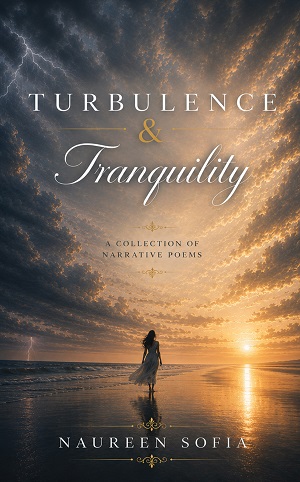 Turbulence & Tranquility
Narrative poetry · Naureen Sofia
Turbulence & Tranquility
Narrative poetry · Naureen Sofia
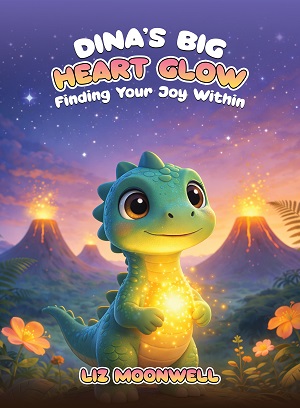 Dina's Big Heart Glow
Children's picture book · Liz Moonwell
Dina's Big Heart Glow
Children's picture book · Liz Moonwell
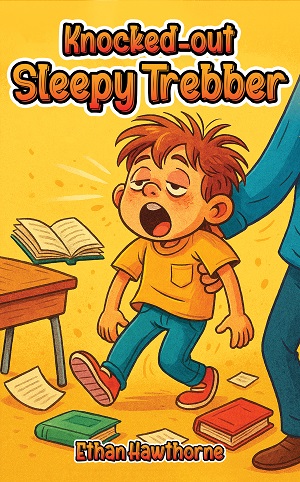 Knocked-out Sleepy Trebber
Children's fiction · Ethan Hawthorne
Knocked-out Sleepy Trebber
Children's fiction · Ethan Hawthorne
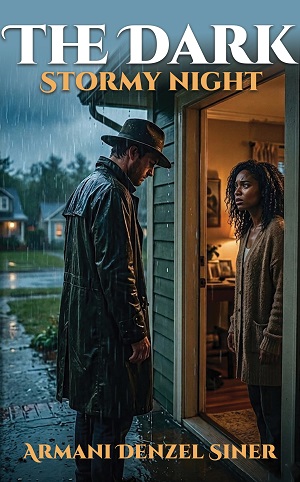 The Dark Stormy Night
Suspense · Armani Denzel Siner
The Dark Stormy Night
Suspense · Armani Denzel Siner
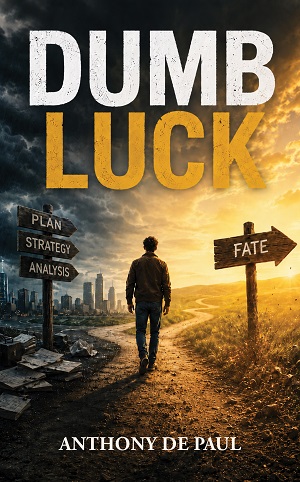 Dumb Luck
Contemporary fiction · Anthony De Paul
Dumb Luck
Contemporary fiction · Anthony De Paul
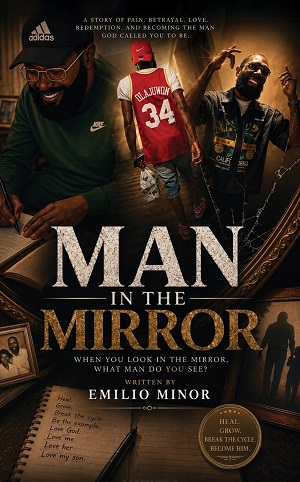 Man in the Mirror
Memoir · Emilio Minor
Man in the Mirror
Memoir · Emilio Minor
 The Weakened Heart, Strengthened Soul
Inspirational · Warren Delfin
The Weakened Heart, Strengthened Soul
Inspirational · Warren Delfin
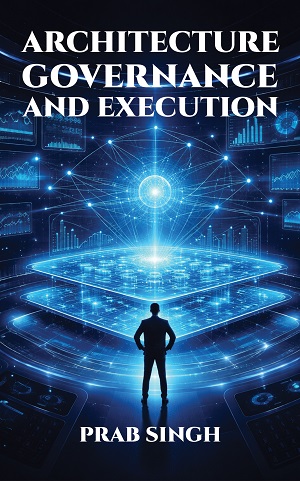 Architecture Governance and Execution
Technical nonfiction · Prab Singh
Architecture Governance and Execution
Technical nonfiction · Prab Singh
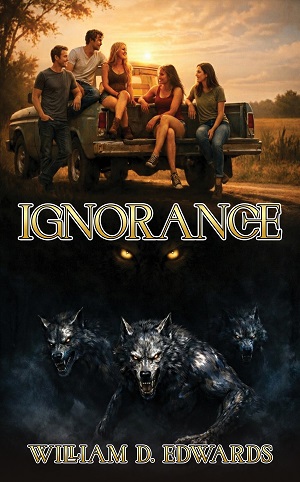 Ignorance
Horror · William D. Edwards
Ignorance
Horror · William D. Edwards
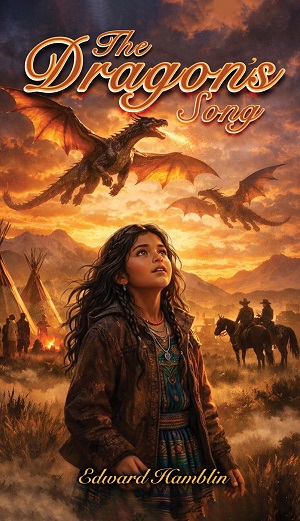 The Dragon's Song
Fantasy · Edward Hamblin
The Dragon's Song
Fantasy · Edward Hamblin
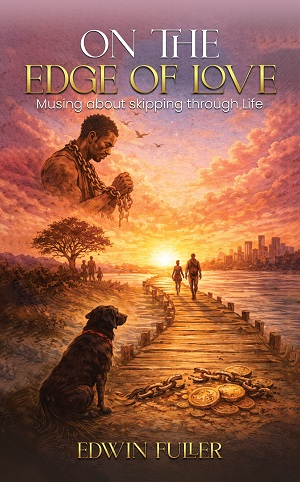 On the Edge of Love
Literary fiction · Edwin Fuller
On the Edge of Love
Literary fiction · Edwin Fuller
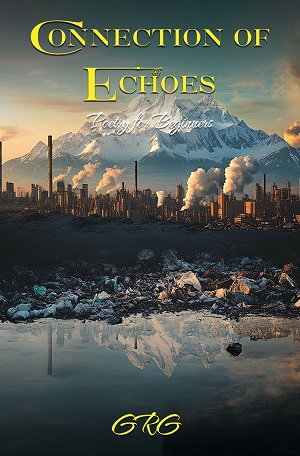 Connection of Echoes
Poetry · GRG
Connection of Echoes
Poetry · GRG
Good ghostwriting does two jobs at once: it preserves the author's thinking and makes the manuscript clear enough for a reader to follow. The agreement sets out the writer, research responsibility, review points, revisions, confidentiality, and ownership before the work gets deep.
We match the project with a nonfiction book writer whose background fits the material. The writer should be able to ask useful questions, understand specialist language, and know when a claim needs more support.
Before drafting, we agree what you are supplying, what the writer will research, how expert interviews will be handled, and what level of fact checking is included.
Interviews and an early sample let you test the narrative voice while the project is still easy to steer. You can correct tone, emphasis, and terminology before dozens of chapters depend on them.
The finished book is published under your name. Copyright, royalties, and the approved manuscript files remain yours under the written agreement, and major decisions come back to you for approval.
It depends on the project. Some books need light source checking; others need published studies, archive work, data review, or expert interviews. The research plan is agreed before drafting so you know who is responsible for each part and how it affects the quote.
We keep a working source trail for factual claims, quotations, dates, and statistics. Anything unclear or unsupported is sent back as a query. You approve corrections before the final manuscript is closed.
Yes. Narrative nonfiction still needs evidence, but the reader experiences it through scenes, people, tension, and carefully chosen context. We decide where story belongs and where a direct explanation will serve the reader better.
Yes, when proposal development is included in the scope. The book proposal can draw on the same positioning, chapter plan, audience work, competitive context, and sample material developed for the manuscript.
A nonfiction ghostwriter turns your expertise, research, interviews, or lived experience into a book published under your name. The work may include structure, research, the expert interview process, drafting, source tracking, revisions, and coordination with the next publishing stage.
No. Many projects begin with notes, recorded talks, articles, a course, research files, or a strong argument with no chapters at all. A partial draft helps when it exists, but it is only one possible starting point.
Yes. Interviews are often the fastest way to capture specialist knowledge, stories, and judgment that never made it into written notes. Sessions can be recorded with your consent, transcribed, and turned into source material for the manuscript.
The schedule depends on manuscript length, research depth, interview availability, fact checking, and how quickly you review draft batches. The written scope sets milestones before drafting begins.
Nonfiction ghostwriter cost depends on the amount of writing and the work behind it: manuscript length, research, interviews, book proposal development, source management, and revision rounds. You receive a project quote after the material and scope are reviewed.
Yes. Drafts, interviews, source files, business information, and the existence of the project can be covered by the written confidentiality terms. If you have your own NDA, it can be reviewed before work begins.
You do. The written agreement keeps the copyright, royalties, and approved manuscript files with you. The ghostwriter does not take public authorship credit or acquire rights in the book.
Yes. Editing, proofreading, cover design, interior formatting, publishing, and marketing can follow as separate services if you need them. They are scoped and quoted separately from the ghostwriting work.
Bring the argument, research files, memoir notes, interview recordings, or book proposal. We will help you identify the strongest direction, the research still missing, and the level of nonfiction book writing services the project actually needs before drafting begins.