We start with your story
The writer works from your premise and explains any structural change before it becomes part of the draft.

Tell us which stages your book still needs and we will quote the whole set in one place.
Request a single quoteBring a premise, treatment, novel, memoir, or unfinished script. Our screenplay writing services shape it into a feature or pilot with clear structure, visual scenes, and dialogue that earns its place.
You do not need a finished script to hire a screenwriter. Many projects begin with one scene, a character, a true story, a treatment, or a novel that already feels cinematic but has not yet been shaped for the screen.
Useful source material can be rough: a beat sheet, interview recordings, a stalled draft, a one-page pitch, or a published book ready for book to screenplay adaptation. The first job is to decide what belongs on screen and what can stay off the page.

A screenplay has to carry the story through action, images, and dialogue. That changes what stays, what goes, and where the major turns happen.
We test the central conflict, turning points, and ending first. A three act structure can help when it suits the material, but it is not forced onto every story.
Novels can explain what a character remembers, fears, or understands. Screenplays have less room for that. The adaptation work finds actions, choices, images, and dialogue that let the audience discover the same information without pages of explanation.
A scene should change something: a decision, a relationship, a piece of information, or the pressure on the character. If the story reaches the same place without it, the scene is a candidate for cutting or combining.
A strong script still needs a clear way into it. When included in the scope, we prepare the logline and synopsis so a producer, manager, competition reader, or collaborator can understand the premise before opening page one.
Final Draft formatting, clean scene headings, readable action, and controlled page length help the story stay in focus. If the goal is a spec script, the draft is kept lean enough for a reader to imagine the film without production detail taking over.
The collaboration should be easy to understand. You know who is writing, what can change, when you review pages, and what you own at the end.
The writer works from your premise and explains any structural change before it becomes part of the draft.
Cuts, combinations, and moved scenes should have a reason you can follow.
You approve structure, tone, and early pages before the full draft is written.
Ownership, credit, and delivery terms are written into the agreement before drafting.
Scene headings, action, dialogue, and file formatting follow the agreed script format.
Deliverables, revisions, adaptation work, and exclusions are agreed before work starts.

A screenplay writer can do the pages, but the project still needs your story. We need to know what must stay, what can change, who the intended viewer is, and what you want the script to do next.
You can begin with a premise, voice note, treatment, novel, or unfinished screenplay. For adaptations, we also need to know what source material you control.
The exact package depends on the project. A feature, television pilot, adaptation, and short film do not need identical development work, so the deliverables are set in the written scope before drafting starts.
You will know which planning documents are included, what file format you receive, how many revision rounds are covered, and whether pitch materials form part of the job.

Projects include original features and pilots, true stories, book adaptations, and spec scripts. Some clients need full script ghostwriting services from a premise; others need a movie script writing service for material already written.
It can be a page, a treatment, a book, or a draft that lost momentum. We review what exists, identify the screenplay problem in front of us, and give you a written scope for the next stage before new pages are drafted.
We discuss the premise, genre, intended format, source material, audience, tone, and what the script needs to achieve. For adaptations, we also flag any rights information you need to confirm before drafting.
You review the proposed story direction before screenplay pages begin. This stage can include the beat sheet, act turns, character arcs, logline and synopsis, depending on the agreed scope.
Your writer turns the approved plan into scenes, action, and dialogue. Pages are written in screenplay format and checked against the structural decisions already approved.
You read the script as a whole and respond to character, pacing, tone, dialogue, and story logic. The writer revises within the agreed rounds and records any larger changes that affect scope.
We prepare the approved screenplay in the agreed file formats and complete the delivery package. If WGA registration is part of your own plan, that can be noted on the delivery checklist without being represented as part of the writing service.
Production timelines are estimates. Actual schedules vary with manuscript length, revision rounds, author response time and third-party retailer processing.
The script should make the film visible on the page: who wants what, what changes in each scene, and why the story keeps moving. The book covers below were written and produced with our authors; none is a claim of produced film work.
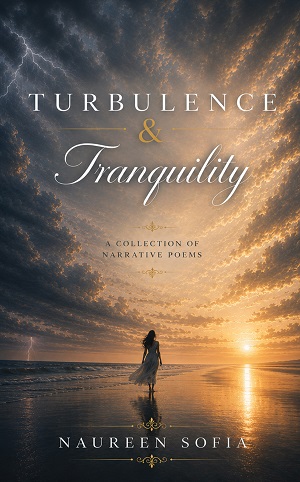 Turbulence & Tranquility
Narrative poetry · Naureen Sofia
Turbulence & Tranquility
Narrative poetry · Naureen Sofia
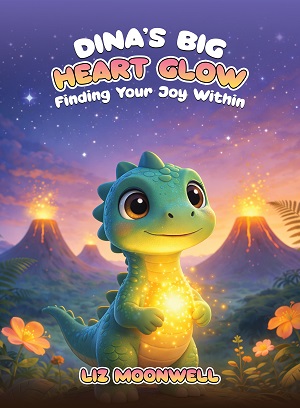 Dina's Big Heart Glow
Children's picture book · Liz Moonwell
Dina's Big Heart Glow
Children's picture book · Liz Moonwell
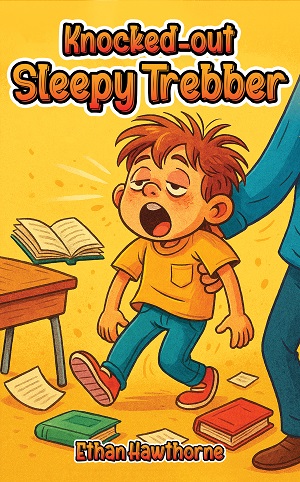 Knocked-out Sleepy Trebber
Children's fiction · Ethan Hawthorne
Knocked-out Sleepy Trebber
Children's fiction · Ethan Hawthorne
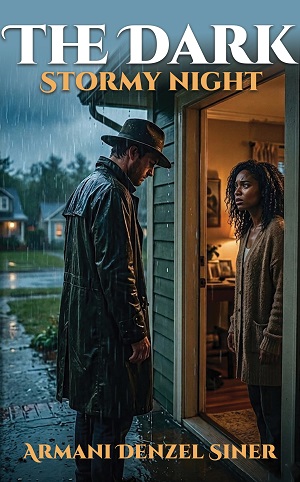 The Dark Stormy Night
Suspense · Armani Denzel Siner
The Dark Stormy Night
Suspense · Armani Denzel Siner
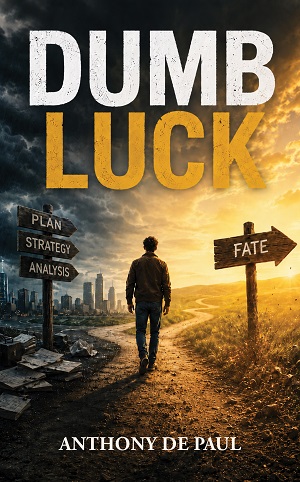 Dumb Luck
Contemporary fiction · Anthony De Paul
Dumb Luck
Contemporary fiction · Anthony De Paul
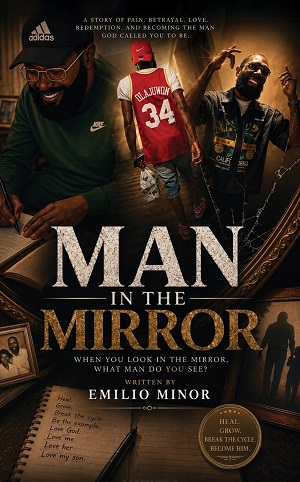 Man in the Mirror
Memoir · Emilio Minor
Man in the Mirror
Memoir · Emilio Minor
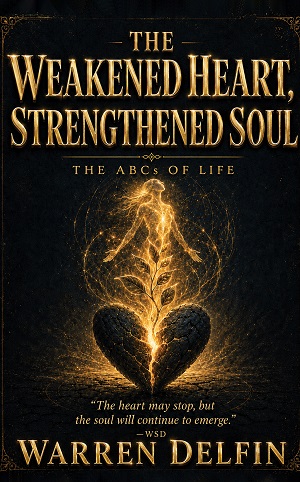 The Weakened Heart, Strengthened Soul
Inspirational · Warren Delfin
The Weakened Heart, Strengthened Soul
Inspirational · Warren Delfin
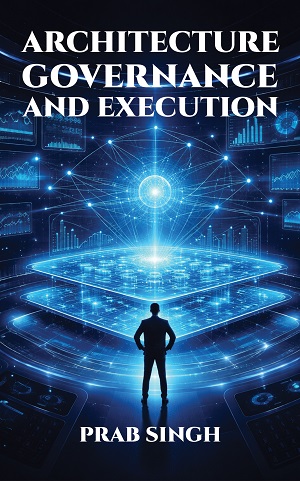 Architecture Governance and Execution
Technical nonfiction · Prab Singh
Architecture Governance and Execution
Technical nonfiction · Prab Singh
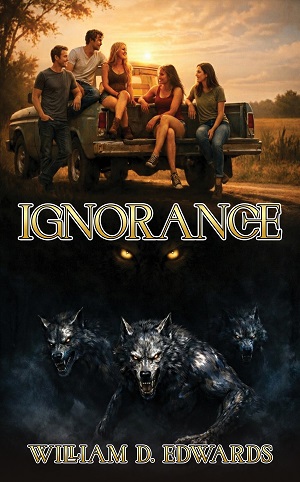 Ignorance
Horror · William D. Edwards
Ignorance
Horror · William D. Edwards
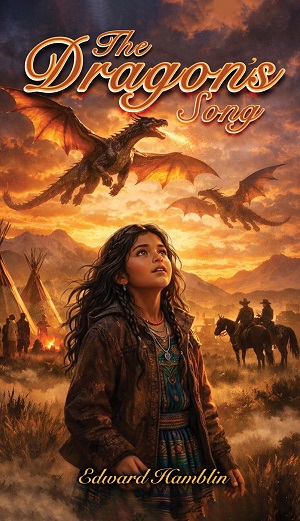 The Dragon's Song
Fantasy · Edward Hamblin
The Dragon's Song
Fantasy · Edward Hamblin
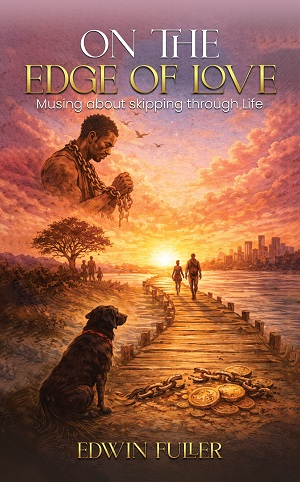 On the Edge of Love
Literary fiction · Edwin Fuller
On the Edge of Love
Literary fiction · Edwin Fuller
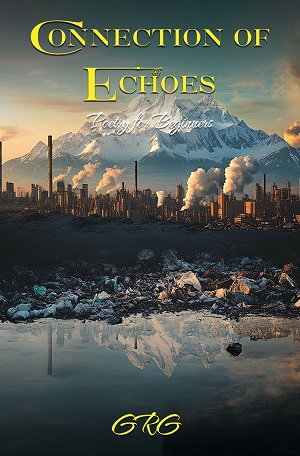 Connection of Echoes
Poetry · GRG
Connection of Echoes
Poetry · GRG
A screenplay project needs creative room and clear boundaries at the same time. Our script ghostwriting services define the writer, structure work, review points, revisions, credit terms, and final files before the drafting phase gets deep.
You are introduced to the writer proposed for the project and told why their background fits it. The match should make sense for the genre, format, and source material, not simply for writing in general.
A screenplay can be beautifully written and still fail if the story turns too late or scenes repeat the same beat. We solve the large structural questions before asking you to approve a full draft.
Your material and the existence of the project stay confidential under the written terms. Schedule, deliverables, review rounds, and fees are agreed before scene writing begins.
The written agreement sets out ownership of the underlying material and approved screenplay. Your name and agreed credit appear on the delivery files; we do not quietly claim rights in your story.
Yes. When Final Draft files are part of the scope, the screenplay is delivered in Final Draft and PDF format with consistent scene headings, action, dialogue, and pagination. The purpose of the formatting is simple: the reader should notice the story, not the document.
Yes. A book to screenplay adaptation starts with selection, not compression. We decide which characters, events, locations, and internal moments the film needs, then build a screen structure around what remains. You confirm that you control the source material being adapted.
Yes. The format is agreed before the outline is built because a feature, pilot, and spec script solve different story problems. For series work, the scope can also include a short document that explains the world, recurring characters, and direction beyond the pilot.
Credit terms for the writing service are set out in the agreement. If a project later becomes subject to Writers Guild of America rules or another guild arrangement, production-side credit requirements may be separate from the private ghostwriting terms agreed at the start.
A screenplay writer turns your source material into scenes that can be read as a film. That can involve story interviews, structural planning, scene design, dialogue, research, and revision. You approve the direction and the major story decisions while the writer handles the pages.
No. Many screenplay writing services begin with less than a draft. A premise, treatment, novel, pitch deck, life story, or a handful of scenes can be enough to start. The discovery stage identifies what is missing before the outline is built.
Yes. Interviews are useful for true stories, biographies, founder stories, and projects where the source material lives mostly in someone's memory. Sessions are scheduled with your consent and the relevant story material is organized before it is turned into scenes.
Timing depends on the format, how much development is needed before pages begin, the amount of source material, and the speed of review. Your written scope sets milestone dates so you can see where your feedback affects the schedule.
Pricing is quoted per project after the source material is reviewed. The figure reflects the type and length of script, adaptation work, research, planning documents, and the revision rounds included. You receive the scope and price before committing to the project.
Yes. The story material, drafts, personal information, and the existence of the project are handled under the confidentiality terms in the written agreement. If you have your own non-disclosure agreement, it can be reviewed before work begins.
Ownership is set out in the written agreement. Under the standard project structure, the approved screenplay files and the rights you brought into the project remain with you. We provide the agreed writing service rather than acquiring your story for film production.
WGA registration sits outside our screenplay writing service. If you plan to register with the Writers Guild of America, we can deliver a clearly versioned Final Draft and PDF copy for your own submission process.
Bring the premise, treatment, novel, memoir, or unfinished draft. We will look at what you have, where the story is getting stuck, and what a screenplay writer would need to solve before the project is ready for its next reader, whether that reader is independent, in Hollywood, or already connected to a production team.