We write for the child you name
The age band and reading situation are agreed before drafting, whether the book is meant to be read aloud, read independently, or shared in a classroom.

Tell us which stages your book still needs and we will quote the whole set in one place.
Request a single quoteWork with a children's book writer to shape the story, choose an age appropriate reading level, plan the page turns, and prepare a manuscript that is ready for illustration.
To write a children's book well, the first decision is the reader. A 32 page picture book, an early reader, and middle grade fiction need different word counts, pacing, vocabulary, and scene structure.
You may already have a bedtime story, a classroom idea, a character sketch, a rhyme, or a rough draft. Our children's book writing services turn that material into a clear brief before the full manuscript is written.
Children's literature changes quickly by age. A choice that works for a seven-year-old can lose a four-year-old in a few lines.
We agree the age appropriate reading level before drafting. That choice controls vocabulary, sentence length, word count, emotional complexity, and how much the illustration needs to carry.
A picture book lives on page turns and spreads, while middle grade depends on chapter movement. We map the story so every section advances the action, reveals character, or creates a reason to keep reading.
A rhyming children's book needs more than matching end words. Meter, natural phrasing, and read-aloud rhythm have to work together, so we make the rhyme decision before a full draft locks the story into the wrong shape.
Picture book text should not describe every detail the art can show. We keep necessary action in the manuscript, add art notes only where they prevent confusion, and leave visual decisions open for the illustrator.
If the character or world may continue, we plan for that early. Series planning can protect names, recurring rules, age progression, and unresolved threads without forcing the first book to feel unfinished.
Children's books can be brief, but there is nowhere for the wrong reading level, a weak page turn, or an overexplained lesson to hide. These are the standards we use while the manuscript takes shape.
The age band and reading situation are agreed before drafting, whether the book is meant to be read aloud, read independently, or shared in a classroom.
Funny, gentle, adventurous, serious, or reassuring, the voice should suit the idea and the reader. We do not make a simple story sound older just to make it sound literary.
For a picture book, the words and illustration share the storytelling. The manuscript says what the reader needs and avoids narrating every visual detail twice.
An outline, page plan, or sample comes first. You can correct the tone, lesson, character, or structure while changes are still easy to make.
Copyright, royalties, and approved files remain yours under the written agreement. The ghostwriter does not take author credit or acquire rights in the work.
The contract states what the writing includes. Illustration, design, and illustrator pairing are listed separately when you want them, so there is no confusion about what is being delivered.
You do not need a polished manuscript. A kids book ghostwriter can start with a story you tell aloud, a lesson you want to teach, a character sketch, rough pages, classroom material, or a draft that never found the right age level.
Before the first full draft, we agree who the book is for, what kind of children's book it is, what the child should feel or understand by the end, and whether the text needs to leave space for illustration on every spread.
A picture book and a middle grade novel do not need the same deliverables. Your written scope sets the age band, target length, structure, revision rounds, and the exact files you will receive before drafting begins.
If you are looking for a children's book writer and illustrator, the writing and illustration scopes stay separate. That makes it clear when the manuscript is approved, when illustrator pairing begins, and what each part of the project costs.
A picture book, early reader, chapter book, and middle grade manuscript solve different reading problems. We position the story for one clear category first, then make the language, structure, and length fit that choice.
If your starting point is simply, 'I want to write a children's book, but I do not know what shape it should take,' the first consultation can settle the age band, format, likely length, and writing scope before you invest in a full draft.
We discuss the child reader, whether the book will be read aloud or independently, the core story, the message, any existing material, and the tone you want to protect.
For a picture book, we plan beats, spreads, and page turns. For longer fiction, we map chapters, character movement, and genre positioning. If rhyme is involved, that decision is made here.
Your children's book writer drafts in stages using the approved structure. You see the voice early, before the manuscript grows too far for a simple course correction.
We review rhythm, clarity, age level, pacing, and places where the text is doing work the illustration should handle. You request changes within the agreed revision rounds.
The approved manuscript is prepared for the next step. When illustration, design, editing, publishing, or illustrator pairing is in scope, those services begin from the final text rather than from a moving draft.
Production timelines are estimates. Actual schedules vary with manuscript length, revision rounds, author response time and third-party retailer processing.
The same starting idea might become a 32 page picture book, a rhyming children's book, an early reader, or middle grade fiction. The right form depends on the reader and the story, not on whichever format was chosen first.
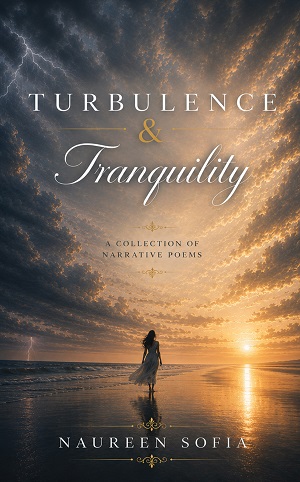 Turbulence & Tranquility
Narrative poetry · Naureen Sofia
Turbulence & Tranquility
Narrative poetry · Naureen Sofia
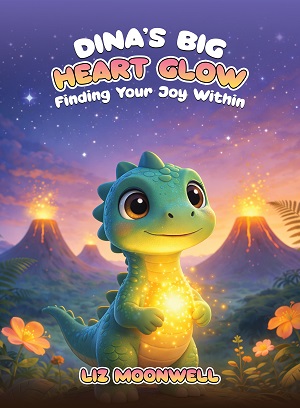 Dina's Big Heart Glow
Children's picture book · Liz Moonwell
Dina's Big Heart Glow
Children's picture book · Liz Moonwell
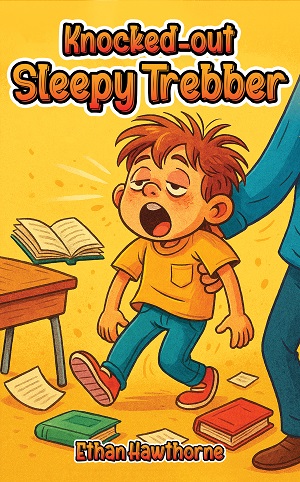 Knocked-out Sleepy Trebber
Children's fiction · Ethan Hawthorne
Knocked-out Sleepy Trebber
Children's fiction · Ethan Hawthorne
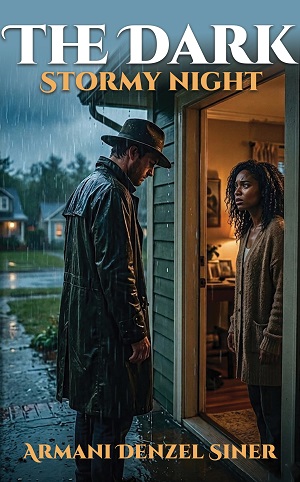 The Dark Stormy Night
Suspense · Armani Denzel Siner
The Dark Stormy Night
Suspense · Armani Denzel Siner
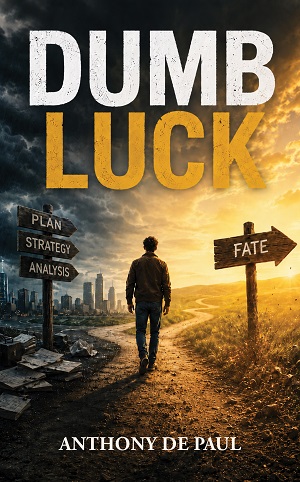 Dumb Luck
Contemporary fiction · Anthony De Paul
Dumb Luck
Contemporary fiction · Anthony De Paul
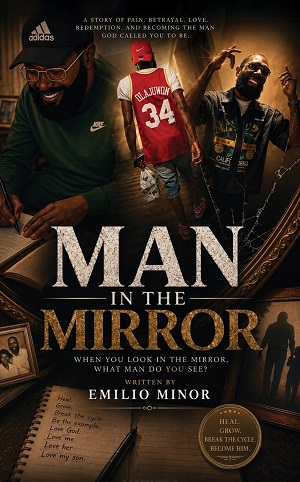 Man in the Mirror
Memoir · Emilio Minor
Man in the Mirror
Memoir · Emilio Minor
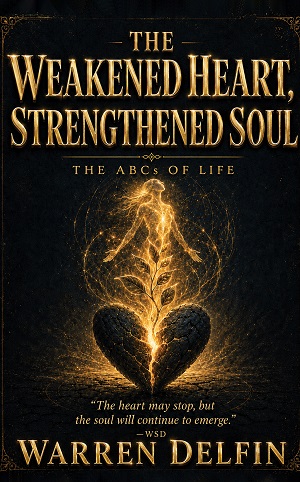 The Weakened Heart, Strengthened Soul
Inspirational · Warren Delfin
The Weakened Heart, Strengthened Soul
Inspirational · Warren Delfin
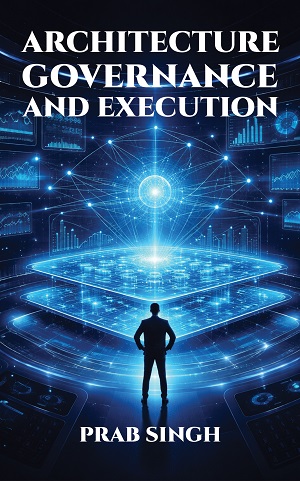 Architecture Governance and Execution
Technical nonfiction · Prab Singh
Architecture Governance and Execution
Technical nonfiction · Prab Singh
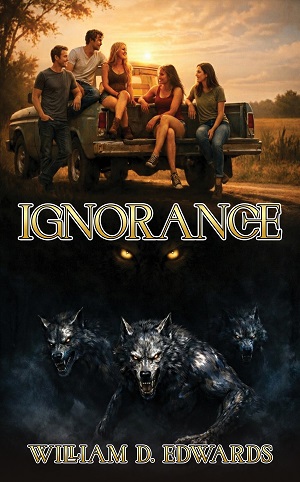 Ignorance
Horror · William D. Edwards
Ignorance
Horror · William D. Edwards
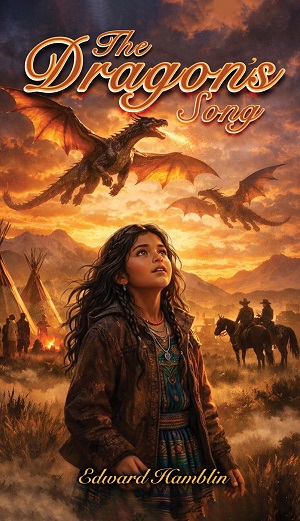 The Dragon's Song
Fantasy · Edward Hamblin
The Dragon's Song
Fantasy · Edward Hamblin
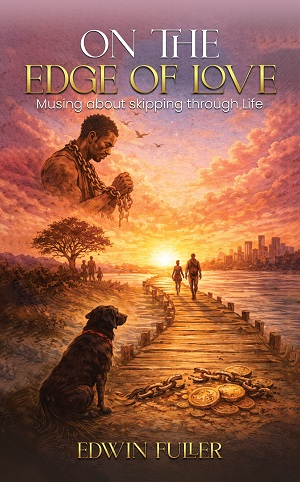 On the Edge of Love
Literary fiction · Edwin Fuller
On the Edge of Love
Literary fiction · Edwin Fuller
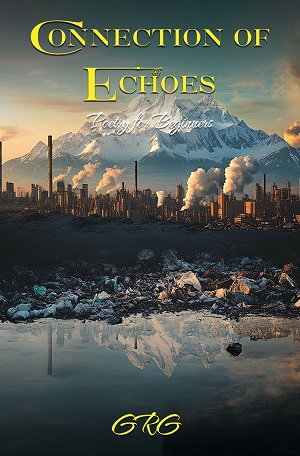 Connection of Echoes
Poetry · GRG
Connection of Echoes
Poetry · GRG
When you hire children's book writer support, you are trusting someone with voice, reading level, pacing, and the space an illustrator will later need. Those decisions should be visible in the process, not guessed at after the draft is finished.
Children's book writing services require different instincts at different ages. We match the project to a writer who can work within the intended format instead of forcing one writing style across every kind of children's literature.
A page plan, outline, or sample is reviewed before the full manuscript. That gives you a practical place to correct the tone, character, structure, or lesson while the work is still flexible.
The manuscript leaves room for illustration and uses art notes only when they are useful. Illustration itself remains a separate scope unless it has been specifically included.
Copyright, royalties, and approved manuscript files remain yours under the written agreement. The ghostwriter provides the writing service and does not acquire ownership of your characters or story.
We agree the age band before drafting and use it to guide vocabulary, sentence length, word count, emotional complexity, and how much the pictures need to explain. A picture book, early reader, and middle grade manuscript are written very differently.
Yes. If a 32 page picture book is the intended format, we plan the usable story pages and spreads rather than filling every page with text. Page turns, read-aloud rhythm, and illustration space are built into the manuscript plan.
Yes, when rhyme suits the story. We test meter and natural speech as carefully as the rhyme itself. If the verse starts forcing awkward wording or weakening the story, we will flag it early rather than hide the problem in a polished draft.
Yes. Middle grade fiction needs a longer plot, stronger chapter movement, age-appropriate stakes, and more room for character development. We scope it as a novel-length children's project rather than stretching a picture book process beyond its limits.
No. The manuscript can be written and approved first. If you want illustration support, illustrator pairing can follow once the text, page turns, character notes, and art requirements are stable enough for an illustrator to quote and work from.
A kids book ghostwriter turns your idea into a manuscript under your name. Depending on the project, that can include story structure, page planning, character development, rhyme, chapter drafting, art notes, and revisions after your review.
No. Many projects begin with a spoken story, a few notes, a character, or a lesson you want to build around. An existing draft helps when it exists, but it is not a requirement for our children's book writing services.
Yes, when submission preparation is included in the scope. We can prepare the manuscript and related material for the route you plan to pursue, whether that is self-publishing, querying a literary agent, or approaching a children's publisher such as Scholastic. Acceptance decisions remain with the agent or publisher.
A picture book can move faster than middle grade fiction, but the schedule still depends on the starting material, revision rounds, author response time, and whether illustration is part of the wider project. Dated milestones are set in the written scope.
Pricing is quoted after the project is reviewed. The quote reflects the format, target word count, amount of development needed, rhyme or research requirements, revision rounds, and any separate illustration or design services you choose.
The project is treated as confidential under the written agreement. You keep the approved manuscript, copyright, and royalties. The book is published under your name, and the ghostwriter does not acquire rights in the story.
Yes. Illustration, editing, proofreading, cover design, interior layout, publishing, and marketing can be quoted as separate services. You can use only the writing service, or coordinate the later stages under the same roof if that suits the project.
Bring the story, sketch, rhyme, classroom idea, character notes, or partial draft. We will help you decide the age band, format, writing scope, and when illustration should enter the process.