We protect the story you came to write
Your premise, characters, themes, and non-negotiable story choices stay visible throughout the project. A ghostwriter can solve craft problems without replacing the book with a different one.

Tell us which stages your book still needs and we will quote the whole set in one place.
Request a single quoteWork with a novel book writer who can take a premise, partial draft, or detailed outline and build it into a full length manuscript with a clear plot, consistent voice, and an ending that earns its place.
You may have a complete premise and no pages, a first act that works and a middle that does not, or forty thousand words that no longer point toward the ending you want. All of those are workable starting points.
Our novel writing services begin by reading what exists, identifying the story's strongest thread, and deciding what needs to be built before drafting continues. You do not need a polished outline to begin.

A strong opening is useful. A structure that can carry the whole book matters more.
We clarify what the protagonist wants, what keeps changing the stakes, and what the reader is waiting to see resolved. That gives each chapter a job instead of letting scenes accumulate because they are interesting on their own.
Character decisions should change what happens next. We map the important turns so growth, setbacks, relationships, and reversals come from the story rather than appearing as separate character notes.
The middle is where many drafts stall. We check cause and effect, scene purpose, pacing, and unresolved threads, then rebuild the sequence before another twenty thousand words make the problem harder to fix.
An 80,000 word novel can be right for one project and wrong for another. Genre positioning, audience expectations, publishing route, and the amount of story on the page all help set a practical target before drafting.
If the idea has series potential, we identify which promises belong in the first novel and which should stay open. Series planning protects the current book from turning into setup for a sequel the reader has not asked for yet.
You should know what is being written, why the story is taking that direction, and what needs your approval next. The scope and review points are written down before the manuscript gets large.
Your premise, characters, themes, and non-negotiable story choices stay visible throughout the project. A ghostwriter can solve craft problems without replacing the book with a different one.
A sample chapter comes before volume. You can react to tone, distance, dialogue, and pacing while changes are still easy to make.
If a subplot is weakening the main arc or the ending no longer fits the setup, we say so early and explain the options instead of writing around the problem.
Copyright, royalties, approved manuscript files, and the final creative decisions remain yours under the written agreement.
The final file is prepared cleanly for editing, submission, or production, with the structure and chapter order agreed during the project.
Target word count, drafting milestones, revision rounds, series planning, and any novel developmental edit are listed before you commit.

You do not need a finished outline or polished sample chapters. We do need enough to understand the story you are trying to tell, the reader you want to reach, and the parts you already know you do not want changed.
That may come from a synopsis, voice notes, a partial manuscript, character sheets, world notes, or a long conversation. The discovery stage turns that material into decisions a writer can actually draft from.
Novel ghostwriting services should not disappear into a black box for months. Your written scope identifies the target word count, story development work, review points, and final files before drafting begins.
A full length manuscript may change as the story develops, but changes to scope are discussed before they become extra work or unexpected cost.

Some authors need a novelist to build the book from a premise. Others bring a partial manuscript, a complete first draft, or a series idea that has grown beyond one volume. The service is shaped around the state of the novel, not forced into one template.
A publishing consultant can review the premise, current pages, genre positioning, and target word count, then tell you whether the next step is outlining, full novel writing services, a novel developmental edit, or preparation for the publishing route you have in mind.
We talk through the premise, characters, ending, audience, comparable fiction, and any pages already written. The goal is to find the story's center before the outline gets detailed.
You approve the story structure, character arcs, chapter sequence, target word count, and any series planning. This is where we decide what the book needs before scenes are drafted.
Your writer develops chapters in the approved narrative voice and sends them in agreed batches. You can see whether the novel is working while there is still room to adjust it.
We review pacing, continuity, character logic, and the ending as the manuscript develops. If beta reader feedback is part of the scope, useful patterns are folded into the revision plan rather than copied blindly.
After the included revisions, you receive the clean manuscript. If you are preparing for a literary agent, self-publishing, or production services, that handoff can be scoped separately.
Production timelines are estimates. Actual schedules vary with manuscript length, revision rounds, author response time and third-party retailer processing.
A one-page premise, an 80,000 word novel that needs rebuilding, and the first book of a planned series require different kinds of help. The titles shown here were written and produced with our authors.
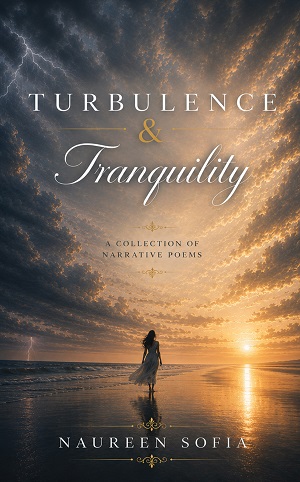 Turbulence & Tranquility
Narrative poetry · Naureen Sofia
Turbulence & Tranquility
Narrative poetry · Naureen Sofia
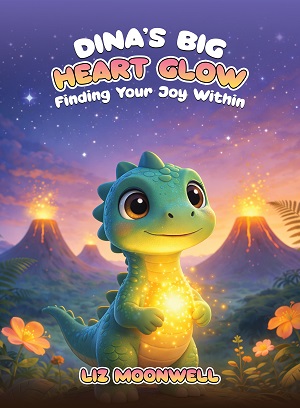 Dina's Big Heart Glow
Children's picture book · Liz Moonwell
Dina's Big Heart Glow
Children's picture book · Liz Moonwell
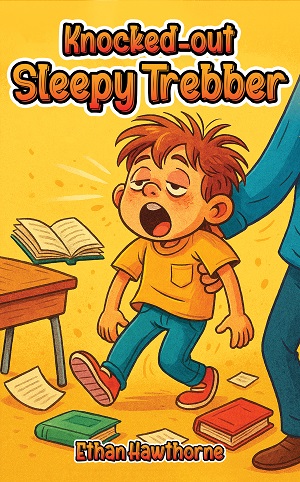 Knocked-out Sleepy Trebber
Children's fiction · Ethan Hawthorne
Knocked-out Sleepy Trebber
Children's fiction · Ethan Hawthorne
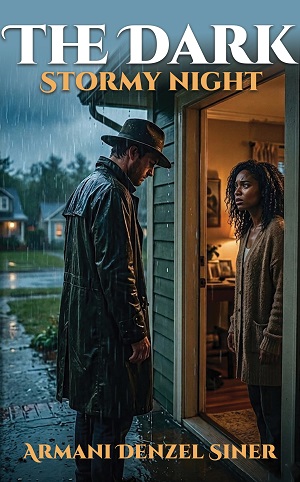 The Dark Stormy Night
Suspense · Armani Denzel Siner
The Dark Stormy Night
Suspense · Armani Denzel Siner
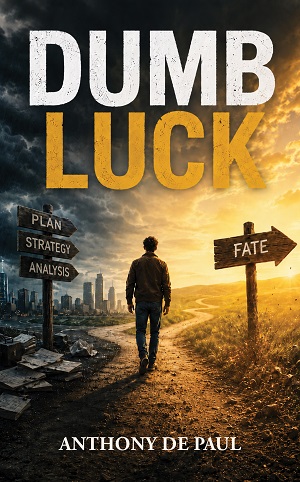 Dumb Luck
Contemporary fiction · Anthony De Paul
Dumb Luck
Contemporary fiction · Anthony De Paul
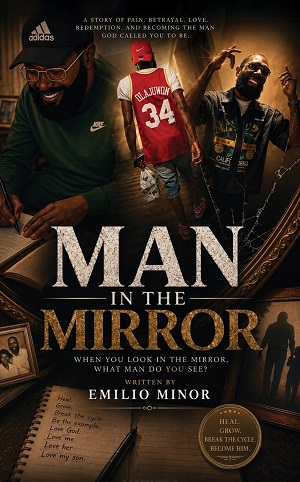 Man in the Mirror
Memoir · Emilio Minor
Man in the Mirror
Memoir · Emilio Minor
 The Weakened Heart, Strengthened Soul
Inspirational · Warren Delfin
The Weakened Heart, Strengthened Soul
Inspirational · Warren Delfin
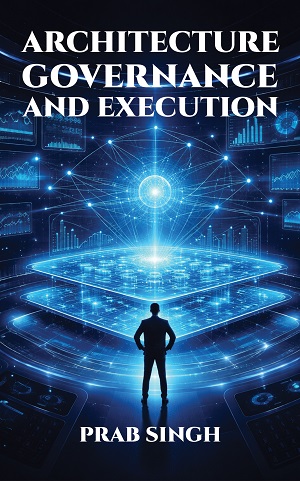 Architecture Governance and Execution
Technical nonfiction · Prab Singh
Architecture Governance and Execution
Technical nonfiction · Prab Singh
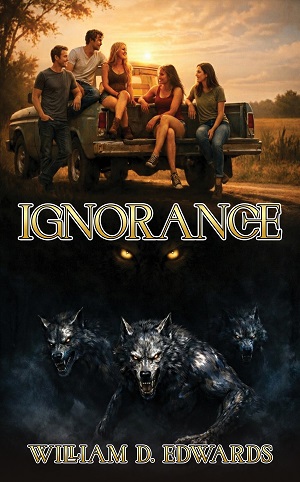 Ignorance
Horror · William D. Edwards
Ignorance
Horror · William D. Edwards
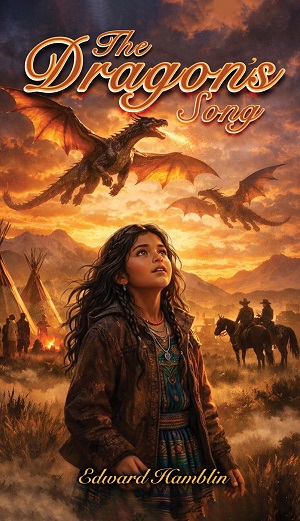 The Dragon's Song
Fantasy · Edward Hamblin
The Dragon's Song
Fantasy · Edward Hamblin
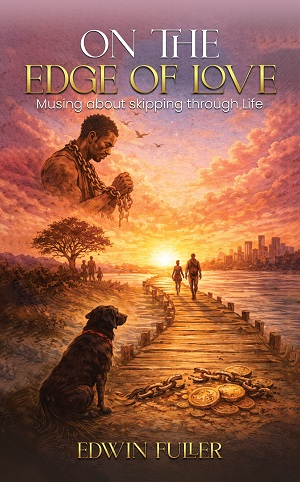 On the Edge of Love
Literary fiction · Edwin Fuller
On the Edge of Love
Literary fiction · Edwin Fuller
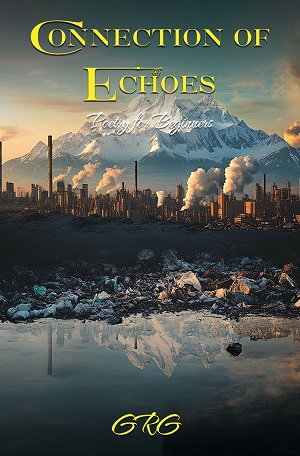 Connection of Echoes
Poetry · GRG
Connection of Echoes
Poetry · GRG
The quality of novel ghostwriting services depends on decisions made before and during drafting. You should know who is writing, what has been approved, and how much room remains for revision.
You are shown the writer proposed for the project and why their experience fits the kind of fiction you are writing. Genre conventions matter, especially when pacing and reader expectations are part of the problem.
You review a sample chapter early. That is where we settle narrative distance, dialogue texture, sentence rhythm, and how closely the prose should sit to any pages you have already written.
The agreement states the target word count, outline work, drafting stages, revisions, research, series planning, and any developmental work that is included.
Your approved manuscript, copyright, royalties, and production files remain with you. The novel is published under your name, and the ghostwriter does not claim authorship.
It depends on word count, how much story development is needed, how quickly you review chapters, and whether the project starts from an outline or a partial draft. The schedule is set in the written scope with dated milestones.
Sometimes. Word count depends on genre positioning, audience, story complexity, and the publishing route you are aiming for. We set a target before drafting, then only change it when the story gives a clear reason.
Yes. We first assess the existing manuscript. Sometimes the right move is to continue from the last good chapter. Sometimes the book needs a novel developmental edit, a new outline, or a rebuilt opening before drafting resumes.
Yes, when the story genuinely needs it. We map the main arc of the current novel, identify what can remain unresolved, and keep future-book material from crowding out the ending this book owes the reader.
A novel ghostwriter turns your story material into a manuscript under your name. That can include plot development, character work, scene planning, drafting, continuity checks, and revisions. You remain the author and approve the direction.
Yes. You can hire a novelist without arriving with chapters already written. The project can begin with interviews and a story brief, then move into an outline and sample chapter before the full draft.
If beta reader feedback is included, we look for repeated points rather than reacting to every individual preference. Useful notes are tested against the story's goals, then added to the revision plan when they improve clarity, pacing, or character logic.
No. The novel can be developed first. If you later plan to approach a literary agent, query materials or submission preparation can be handled as a separate stage after the manuscript is ready.
Pricing is quoted per project after the manuscript material and scope are reviewed. The main drivers are target word count, how much development is needed, research, series planning, and the number of revision rounds.
Yes. Your story material, existing manuscript, identity, and the existence of the project are treated as confidential under the written agreement. We can also work under your own non-disclosure agreement when required.
You do. Copyright, royalties, and the approved manuscript files remain with you under the agreement. The book carries your name, and the writing service does not acquire rights in the fiction.
Yes. Editing, proofreading, cover design, interior layout, publishing support, and marketing can be quoted separately. Using novel writing services does not require you to buy those later services.
A consultation looks at the premise, genre, current pages, target word count, and where the draft is getting stuck. You will know whether the next step is outlining, full novel ghostwriting services, developmental work, or preparation for submission and publishing.