Your ideas stay intact
Your writer can simplify an explanation without changing the technical meaning. If a passage needs clarification, it comes back to you rather than being guessed.

Tell us which stages your book still needs and we will quote the whole set in one place.
Request a single quoteYour architecture decisions, SaaS lessons, API expertise, or founder perspective can become a clear manuscript without stripping out the details that make the work credible.
A technology book rarely starts with a blank page. The material may already exist as developer documentation, architecture notes, whitepapers, conference talks, code examples, internal training, product memos, or recorded explanations.
Our tech book writing services turn that material into a reader-focused book. A technical book writer helps separate durable ideas from version-specific detail, then builds a structure you can review before drafting begins.

A talk has a time limit. Documentation has a job. A book can explain why decisions were made, where the tradeoffs appear, and what a reader should do next.
Technical authority comes from details that survive scrutiny. A useful book shows reasoning, examples, limits, and tradeoffs in a form readers can return to when they are doing the work.
Developer documentation, whitepapers, RFCs, talks, and product notes often overlap or contradict one another. A book gives that material one sequence, one vocabulary, and a clear place for the reader to start.
API guide writing explains how to use an interface. A strong technology book can go further by explaining why the interface or architecture works that way, where it breaks down, and what to weigh before choosing an approach.
For a founder tech book or SaaS thought leadership project, usefulness matters more than promotion. Product references stay where they add context, while pitch language that gets in the reader's way is removed.
Version numbers expire. Principles, failure modes, and decision frameworks usually last longer. We separate time-sensitive detail so updates are easier when the product, platform, or API changes.
Good prose is not enough in technical writing. The manuscript has to sound like the author, withstand review, and stay within what you are actually allowed to publish.
Your writer can simplify an explanation without changing the technical meaning. If a passage needs clarification, it comes back to you rather than being guessed.
Accuracy checkpoints are built into the scope so code, diagrams, product claims, and version-sensitive sections can be checked before final approval.
Milestones, comments, open questions, and changes stay visible so you know what is approved and what still needs an answer.
Copyright, royalties, and the approved production files remain yours under the written agreement. We provide the service; we do not acquire the work.
An API guide, founder book, engineering handbook, and whitepaper do not have the same audience. Structure and terminology follow the reader the project is meant to serve.
Research, interviews, technical accuracy review, revisions, and production work are listed before drafting begins, so the project does not quietly expand.

You do not need to arrive with a clean manuscript. You do need a clear subject, a reason for the book, and access to the technical knowledge that should drive it. That may come from you, your team, or approved source material.
We can work from documentation, whitepapers, presentations, product notes, code samples, recordings, or structured interviews. The first step is to sort what belongs in the book, what needs verification, and what should stay out.
The exact package changes with the project. A practical API guide, a founder tech book, and a broad technology title need different research, source handling, and technical review. Your written scope lists each deliverable before drafting starts.
When whitepaper writing or developer documentation is part of the same engagement, that work is scoped separately so the shorter formats do not get blurred into the book manuscript.

Our technical writing services cover books for engineers, SaaS founders, product leaders, developer educators, and subject matter experts. Some projects grow out of whitepaper writing or developer documentation; others begin as API guide writing, SaaS thought leadership, or a founder tech book.
Bring the docs, decks, recordings, repo notes, whitepapers, or half-finished chapters. We will identify what belongs in the book, what needs technical review, and what should remain outside the manuscript.
We define the reader, the problem the book should solve, the source material we can use, and any NDA, employer, customer, or product boundaries that affect the work.
You approve the angle, chapter map, technical depth, terminology, version strategy, and review checkpoints before long-form drafting starts.
Your writer interviews you and the agreed contributors, reviews the documentation and whitepapers, then drafts against the approved structure and terminology.
Drafts return in stages so you can correct assumptions, test examples, update versions, and request revisions while the structure is still easy to change.
After approval, we prepare a clean manuscript with figure, code, source, and layout callouts. Editing, design, publishing, or marketing can follow when those services are included separately.
Production timelines are estimates. Actual schedules vary with manuscript length, revision rounds, author response time and third-party retailer processing.
A practical guide, a founder tech book, a SaaS thought leadership title, or a reference for working engineers all need different pacing and depth. The titles below were written and produced with our authors.
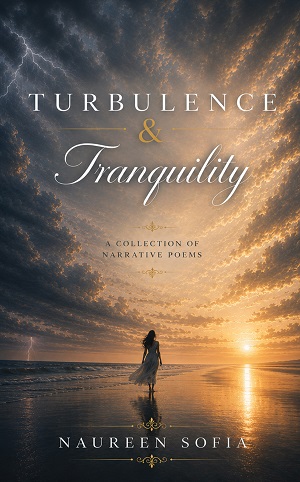 Turbulence & Tranquility
Narrative poetry · Naureen Sofia
Turbulence & Tranquility
Narrative poetry · Naureen Sofia
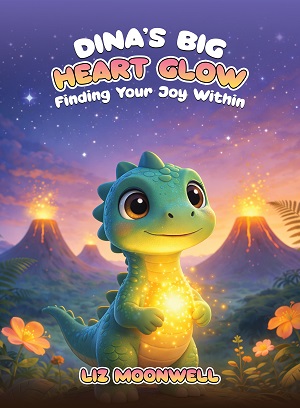 Dina's Big Heart Glow
Children's picture book · Liz Moonwell
Dina's Big Heart Glow
Children's picture book · Liz Moonwell
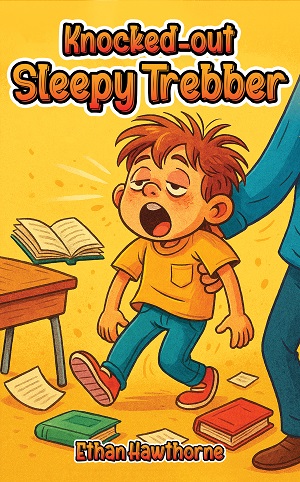 Knocked-out Sleepy Trebber
Children's fiction · Ethan Hawthorne
Knocked-out Sleepy Trebber
Children's fiction · Ethan Hawthorne
 The Dark Stormy Night
Suspense · Armani Denzel Siner
The Dark Stormy Night
Suspense · Armani Denzel Siner
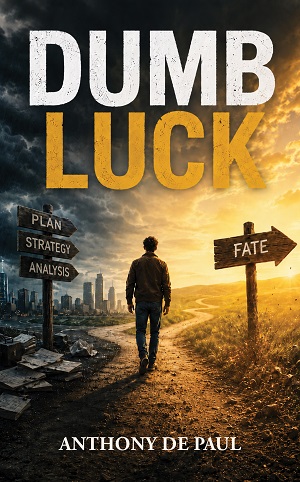 Dumb Luck
Contemporary fiction · Anthony De Paul
Dumb Luck
Contemporary fiction · Anthony De Paul
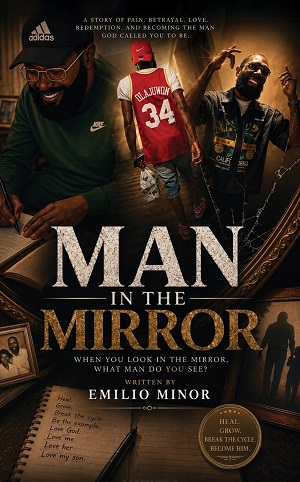 Man in the Mirror
Memoir · Emilio Minor
Man in the Mirror
Memoir · Emilio Minor
 The Weakened Heart, Strengthened Soul
Inspirational · Warren Delfin
The Weakened Heart, Strengthened Soul
Inspirational · Warren Delfin
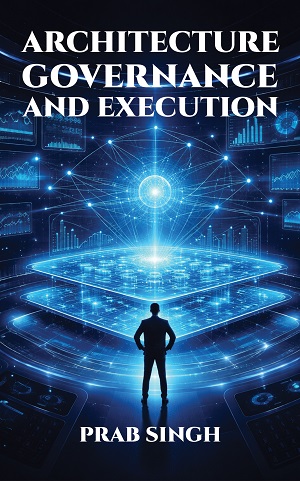 Architecture Governance and Execution
Technical nonfiction · Prab Singh
Architecture Governance and Execution
Technical nonfiction · Prab Singh
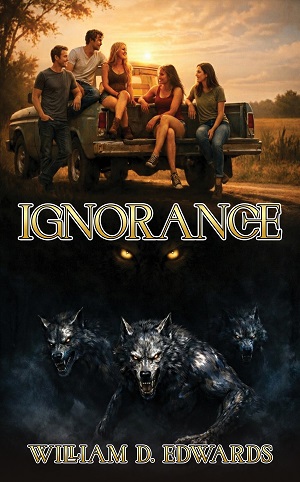 Ignorance
Horror · William D. Edwards
Ignorance
Horror · William D. Edwards
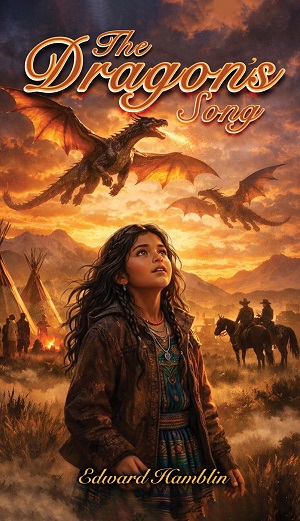 The Dragon's Song
Fantasy · Edward Hamblin
The Dragon's Song
Fantasy · Edward Hamblin
 On the Edge of Love
Literary fiction · Edwin Fuller
On the Edge of Love
Literary fiction · Edwin Fuller
 Connection of Echoes
Poetry · GRG
Connection of Echoes
Poetry · GRG
A technical book writer has two jobs: make the material readable and avoid inventing what the author never said. Our process gives you control over both.
We match you with a technology book writer who can work with architecture, product, SaaS, APIs, or engineering material at the level the project requires.
Interviews and an early sample establish tone before volume. The aim is to keep your way of explaining the work while removing the repetition and detours that make spoken material hard to read.
Internal docs, customer data, employer-owned material, and unreleased product detail are handled against the agreed scope. Questions are flagged for you rather than guessed.
Your name is on the book, so the final technical call stays with you. Review points are built into the project, and you approve the manuscript before publication.
Yes. Code, requests and responses, schemas, architecture diagrams, tables, and configuration examples can be prepared with captions and layout notes. You or a named reviewer should verify that samples run and reflect the intended version.
The match depends on the topic and depth. A SaaS content ghostwriter working on a founder book does not need the same background as someone handling developer documentation or API guide writing, so the brief defines what the writer must be able to follow.
We separate durable principles from release-specific detail. Versioned screenshots, code, feature names, and API behavior can sit in clearly marked sections that are easier to update when the technology changes.
Before drafting, identify material that may be employer-owned, customer-confidential, or restricted by an NDA. We can flag it, anonymize examples, or leave it out, but you decide what you have permission to publish.
A technical ghostwriter turns your interviews, documentation, whitepapers, and source material into a book under your name. The writer organizes, drafts, and revises the manuscript. You supply the expertise and approve the technical content.
No. Many technology books start with source material rather than prose. Developer documentation, slide decks, internal notes, whitepapers, course material, or recorded interviews are enough to begin.
Yes. Structured interviews are especially useful when the knowledge lives in decisions, edge cases, and tradeoffs that never made it into the documentation. Sessions can be recorded with your consent and turned into source notes for drafting.
Timing depends on manuscript scope, source volume, access to reviewers, how much new research is required, and how quickly chapters can be checked. The project schedule is set with milestone dates before drafting begins.
Project pricing reflects manuscript length, technical depth, the number of interviews, source review, technical accuracy review, and the revision rounds included. You receive a written quote after the project is assessed.
Yes. We can work under a written NDA, and the project scope can identify restricted sources or topics. Confidentiality does not replace your responsibility to confirm what you are allowed to publish.
You do. Under the written agreement, copyright, royalties, and the approved manuscript files remain with you. The book is published under your name, and we do not acquire rights in your work.
Yes. Editing, proofreading, technical layout, cover design, publishing, and marketing are available as separate services under the same roof. They are quoted separately, and using the ghostwriting service does not require you to buy them.
Bring the documentation, whitepapers, API notes, founder story, course outline, or partial draft. We will help you decide what the book should cover, what needs technical review, and what a realistic writing scope looks like.