We protect your recipes and stories
Unpublished recipes, business files, and family stories stay confidential under the written agreement.

Tell us which stages your book still needs and we will quote the whole set in one place.
Request a single quoteA cook book writer can turn chef notes, family recipes, kitchen videos, and half-written instructions into clear recipes, useful headnotes, and a manuscript that works beyond your own stove.
You do not need polished recipes. A chef may have prep sheets, a family may have handwritten cards with missing quantities, and a food creator may have videos that work on screen but not yet on the page.
A recipe book ghostwriter sorts that material, finds the gaps, and decides what a reader needs to reproduce each dish. If you want to hire a cookbook writer, this is where the project starts.
You may know a recipe by instinct. The reader does not. The manuscript has to carry the timing, cues, and judgment you normally supply in person.
We standardize quantities, temperatures, yields, equipment notes, and method steps so the reader can follow the recipe without guessing what you meant.
A family recipe book, restaurant collection, beginner cooking guide, and chef-led technique book should not feel interchangeable. We define who the book is for, what earns a place in it, and how the chapters should move before the recipes are rewritten one by one.
Some books need only short headnotes. Others are closer to a chef memoir cookbook, where dishes carry the story of a career, a place, or a family. Interviews help us decide where the story belongs and where the recipe should simply get on with the cooking.
If the goal is a food photography cookbook, the manuscript should anticipate the pictures rather than treat them as decoration added at the end. We can prepare shot notes, page cues, and recipe groupings for the photography and design stage when those services are in scope.
Recipe formatting standards matter once dozens of recipes sit together. We also identify where nutritional information, source notes, substitutions, or safety wording needs to be supplied or verified before the final manuscript moves into editing and design.
Cookbook projects become difficult when testing, ownership, recipe changes, and production extras are left vague. We put those decisions into the written scope so you know exactly what the writing team is responsible for.
Unpublished recipes, business files, and family stories stay confidential under the written agreement.
You review early headnotes so the finished cookbook sounds like you, not a generic food writer.
Testing is included only when the scope states who cooks, how many rounds, and how changes are approved.
Units, yields, temperatures, times, and method steps follow one agreed house style.
Copyright, royalties, and approved manuscript files remain yours under the written agreement.
Allergen notes, nutritional information, origin claims, and substitutions are marked for your confirmation.
Before we write, we need to know who will cook from the book and what kind of experience you want them to have. A cookbook for busy parents needs different detail from a chef's technique book, even when both start with excellent recipes.
You can arrive with a complete recipe archive or a folder full of fragments. We organize the material, mark missing information, and agree what must come from interviews, kitchen notes, testing, or research before the manuscript moves forward.
The deliverables depend on recipe count, the amount of story in the book, whether recipe testing is included, and whether the project needs photography notes or nutritional information. We define that list before the first full chapter is drafted.
That matters because cookbook writing can expand quietly. A clear scope keeps extra testing, new recipes, image planning, or added research visible instead of letting them appear as surprise work halfway through the project.
A restaurant cookbook, a family recipe book, a chef memoir cookbook, a technique-led guide, and a tightly themed recipe collection need different structures. The first job is to choose the reader and the promise of the book, then decide which recipes and stories earn their place.
Most people who ask how to write a cookbook already have more material than they think. Bring the cards, videos, menus, spreadsheets, blog posts, or rough draft. We will show you what is usable, what is missing, and what the writing scope should cover before you commit to the full project.
We review the recipes and source material, define the intended reader, discuss your culinary background, and agree what the finished cookbook should help that reader do.
You approve the chapter plan, recipe list, headnote approach, units, yields, temperatures, and other recipe formatting standards before full drafting begins.
Your writer works through the material recipe by recipe, fills gaps through interviews, drafts headnotes and chapter copy, and keeps the agreed format consistent across the manuscript.
You review recipes and prose in agreed batches. If recipe testing is included, test results and corrections are folded into the working manuscript before the next section is approved.
We complete the included revisions and prepare the clean manuscript for editing, food photography, design, formatting, or publishing services that are part of the agreed next stage.
Production timelines are estimates. Actual schedules vary with manuscript length, revision rounds, author response time and third-party retailer processing.
A family collection may lead with memory. A chef's book may lead with technique and point of view. A practical beginner cookbook may need tighter explanations and fewer stories. The titles below were written and produced with our authors.
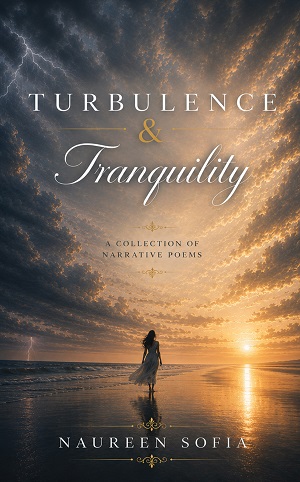 Turbulence & Tranquility
Narrative poetry · Naureen Sofia
Turbulence & Tranquility
Narrative poetry · Naureen Sofia
 Dina's Big Heart Glow
Children's picture book · Liz Moonwell
Dina's Big Heart Glow
Children's picture book · Liz Moonwell
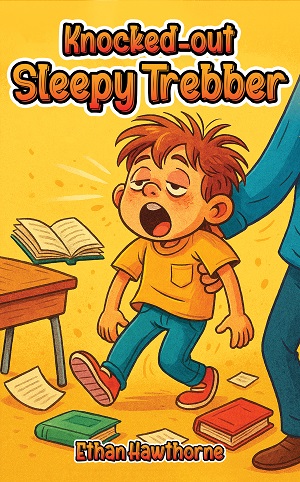 Knocked-out Sleepy Trebber
Children's fiction · Ethan Hawthorne
Knocked-out Sleepy Trebber
Children's fiction · Ethan Hawthorne
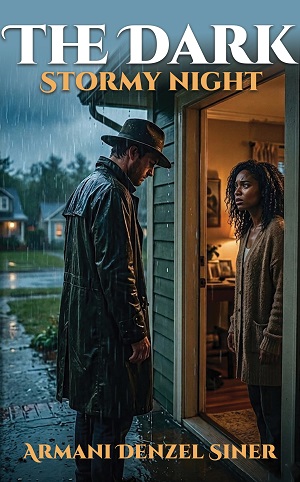 The Dark Stormy Night
Suspense · Armani Denzel Siner
The Dark Stormy Night
Suspense · Armani Denzel Siner
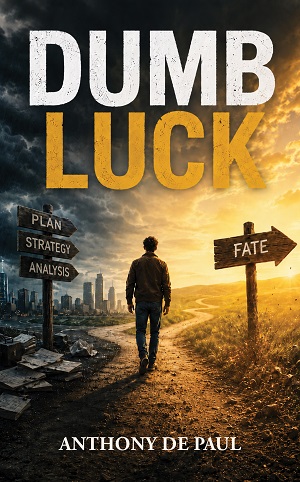 Dumb Luck
Contemporary fiction · Anthony De Paul
Dumb Luck
Contemporary fiction · Anthony De Paul
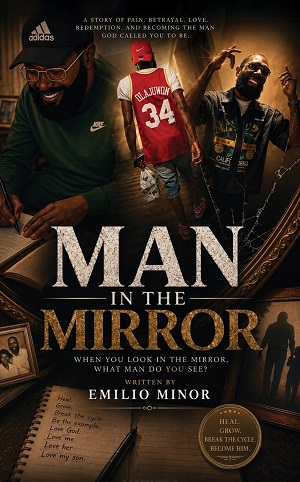 Man in the Mirror
Memoir · Emilio Minor
Man in the Mirror
Memoir · Emilio Minor
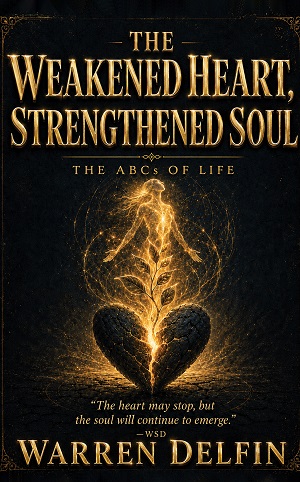 The Weakened Heart, Strengthened Soul
Inspirational · Warren Delfin
The Weakened Heart, Strengthened Soul
Inspirational · Warren Delfin
 Architecture Governance and Execution
Technical nonfiction · Prab Singh
Architecture Governance and Execution
Technical nonfiction · Prab Singh
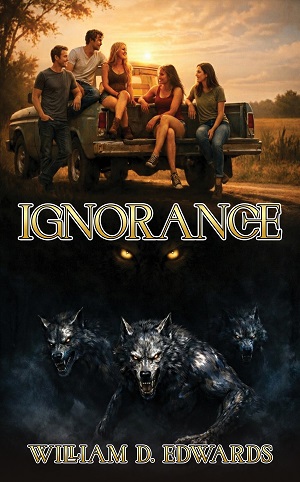 Ignorance
Horror · William D. Edwards
Ignorance
Horror · William D. Edwards
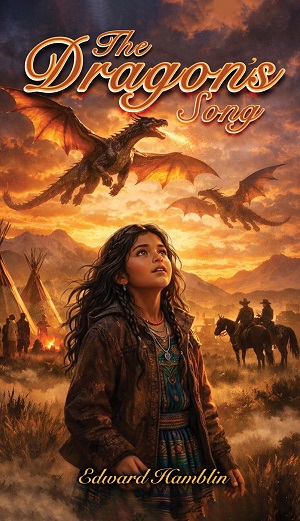 The Dragon's Song
Fantasy · Edward Hamblin
The Dragon's Song
Fantasy · Edward Hamblin
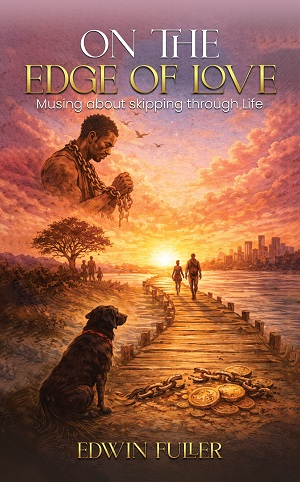 On the Edge of Love
Literary fiction · Edwin Fuller
On the Edge of Love
Literary fiction · Edwin Fuller
 Connection of Echoes
Poetry · GRG
Connection of Echoes
Poetry · GRG
A cookbook is judged twice: once on the page and again when someone tries to cook from it. Our writing process is built around that second test as much as the first.
If you hire a cookbook writer, they need to notice the difference between a stylistic choice and a missing instruction. We match the project with a writer who can ask useful kitchen questions without rewriting your food into theirs.
Headnotes, introductions, and chef stories are tested early. You tell us what sounds like you and what does not before that voice is carried through hundreds of pages.
Recipe testing, photography, nutritional calculations, research, revision rounds, and manuscript length are separated clearly in the written scope so the project does not grow by accident.
Copyright, royalties, recipes, and approved manuscript files remain yours under the written agreement. Your name goes on the cookbook, and we do not acquire rights in the work.
We agree one house format for ingredient order, measurements, yields, temperatures, prep and cook times, equipment notes, and method steps. Then we apply it across the full recipe list so the reader does not have to relearn the book on every page.
Recipe testing is scoped separately. If it is included, we agree who cooks, how many rounds are covered, how tester notes are recorded, and who approves the final change. If you test the recipes yourself, we build your confirmed corrections into the manuscript.
Yes. Food photography is a separate production service, but the manuscript can be prepared for it with shot notes, recipe groupings, styling cues, and clear handoff points. That keeps the pictures connected to the structure of the book rather than added at random.
Yes. A chef memoir cookbook can use dishes to carry the story of a career or a place, while a family recipe book may preserve the people and occasions behind the food. We decide how much story belongs around each recipe so the narrative never buries the cooking.
A recipe book ghostwriter turns your culinary knowledge and source material into a manuscript published under your name. The work can include interviews, cookbook structure, recipe rewriting, headnotes, chapter introductions, and revision. You supply the food, the judgment, and the final approval.
No. Rough recipes, prep notes, videos, handwritten cards, and restaurant service sheets are workable starting points. Missing quantities, timing, yields, or method details are marked for your confirmation or for testing when testing is part of the scope.
Yes. Interviews and kitchen videos often capture details that never make it into a recipe card, such as texture cues, visual doneness, substitutions, and the order you work in. We turn those details into instructions a reader can use.
Timing depends on the number and complexity of recipes, the amount of narrative writing, interview availability, recipe testing, and how quickly each batch is reviewed. Your written scope sets the milestones before drafting begins.
Pricing is quoted per project after we review the recipe count and source material. The quote reflects manuscript length, rewriting needs, interviews, research, testing, revision rounds, and any agreed photography or production support.
Yes, when it is part of the scope. We agree who supplies, calculates, or verifies the nutritional information before publication. The writer does not invent nutrition data or present unverified figures as fact.
You do. Under the written agreement, the approved manuscript, recipes, copyright, and royalties remain with you. We provide cook book writing services and do not acquire ownership of the cookbook or its contents.
Yes. Editing, proofreading, interior design, food photography, cover design, formatting, publishing, and marketing can be quoted as separate services. Ghostwriting does not require you to purchase those services.
Bring the recipe cards, menus, videos, family notes, service sheets, or draft you already have. We will help define the reader, structure, recipe format, testing needs, and writing scope before you decide how to move the cookbook forward.