We keep clinical judgment with the author
The medical ghostwriter can structure and clarify the material, but clinical conclusions stay with the physician or designated expert. Claims that need confirmation are returned as queries.

Tell us which stages your book still needs and we will quote the whole set in one place.
Request a single quoteOur medical book writing services help physicians, clinicians, and healthcare leaders turn specialist knowledge into a clear manuscript, with claims, sources, and review points built into the process.
You do not need a finished draft. A medical book often starts with the explanation you give patients every week, the lecture you have refined over years, or the clinical question you wish you had more room to answer.
We can work from talks, patient handouts, published papers, research summaries, teaching material, recorded interviews, and case notes that have been properly de-identified. The first job is to decide what belongs in the book, who it is for, and what requires verification.

A well-planned medical book gives readers time to absorb an explanation that may be too complex for a short appointment, lecture, podcast, or social post.
A patient education book lets you slow the explanation down, define terms, add context, and show readers what questions to ask next. The aim is clarity without oversimplifying the medicine.
Healthcare thought leadership is stronger when it teaches before it promotes. A book gives you room to explain how you think, where evidence is clear, where judgment matters, and which questions deserve more nuance.
Clinical content writing becomes more useful when the same core explanation does not change from talk to talk. A book fixes the sequence, terminology, cautions, and supporting sources so readers receive one considered version.
A physician authored book is an asset under your name. It can support patient education, speaking, teaching, media work, or a wider healthcare platform while the copyright and approved manuscript files remain yours under the written agreement.
Patients and clinicians do not need the same book written in the same register. We define the intended reader early, then set the language, depth, evidence, and examples around that audience rather than trying to satisfy everyone at once.
Health writing carries a higher burden than ordinary promotional copy. Our process separates writing support from clinical judgment and gives you clear points to review claims, sources, tone, and scope.
The medical ghostwriter can structure and clarify the material, but clinical conclusions stay with the physician or designated expert. Claims that need confirmation are returned as queries.
Medical accuracy review is treated as a project stage, not a final scramble. You or your chosen reviewer can check claims, terminology, citations, and patient-facing explanations before approval.
Published clinical research, guidelines, and other agreed references are logged as the manuscript develops. Unsupported or uncertain points are flagged rather than quietly filled in.
Identifying patient details do not belong in a draft by default. Case-based material is anonymized or composited and returned to you for review against your own professional and institutional obligations.
A clinician-facing book and a patient-facing book need different language. We agree the reader, reading level, and purpose before chapters are drafted.
Deliverables, research responsibilities, review rounds, exclusions, schedule, and fees are written into the scope so the project does not grow by assumption.

A healthcare book ghostwriter can do the interviewing, organizing, and drafting, but the authority still has to come from you. We need to understand your clinical position, the reader you want to help, and the boundaries of what the book should and should not say.
You can begin with rough material. We will sort it into what is usable, what needs a source, what needs a medical accuracy review, and what should stay out of the manuscript.
Medical book writing services work best when each stage produces something you can examine and approve. The exact deliverables depend on the book's audience, length, evidence needs, and whether it is written for patients, clinicians, or a broader healthcare readership.
Your written scope identifies what is included, who is responsible for clinical verification, and what would count as additional work before drafting starts.

The same expertise can become very different books. We support physician authored books, patient education books, healthcare thought leadership, research-led public education, clinical content writing projects, and books that explain a treatment philosophy or specialty to a wider audience.
Bring the lecture deck, the patient guide, the research notes, or the unfinished draft. We will help you decide who the book is for, what evidence it needs, what should be left out, and whether the idea is strong enough to support a full manuscript.
We identify the intended reader, the book's purpose, your specialty, the claims the manuscript may make, the material you already have, and any confidentiality or institutional constraints.
You receive a proposed chapter structure, research plan, interview schedule, source requirements, and review responsibilities before full drafting begins.
Your writer conducts structured interviews, works through the approved source material, and drafts chapters in the agreed voice. Claims that need medical confirmation are marked as the work develops.
Chapters arrive in stages. You review clinical accuracy, nuance, examples, tone, and citations, then request revisions within the agreed rounds before the manuscript moves forward.
After the agreed medical review and revisions, we prepare the clean manuscript files. Editing, design, formatting, publishing, or marketing can be scoped separately if you want support beyond writing.
Production timelines are estimates. Actual schedules vary with manuscript length, revision rounds, author response time and third-party retailer processing.
A patient education book, a clinician-facing guide, and a healthcare thought leadership title solve different problems. The titles below were written and produced with our authors.
 Turbulence & Tranquility
Narrative poetry · Naureen Sofia
Turbulence & Tranquility
Narrative poetry · Naureen Sofia
 Dina's Big Heart Glow
Children's picture book · Liz Moonwell
Dina's Big Heart Glow
Children's picture book · Liz Moonwell
 Knocked-out Sleepy Trebber
Children's fiction · Ethan Hawthorne
Knocked-out Sleepy Trebber
Children's fiction · Ethan Hawthorne
 The Dark Stormy Night
Suspense · Armani Denzel Siner
The Dark Stormy Night
Suspense · Armani Denzel Siner
 Dumb Luck
Contemporary fiction · Anthony De Paul
Dumb Luck
Contemporary fiction · Anthony De Paul
 Man in the Mirror
Memoir · Emilio Minor
Man in the Mirror
Memoir · Emilio Minor
 The Weakened Heart, Strengthened Soul
Inspirational · Warren Delfin
The Weakened Heart, Strengthened Soul
Inspirational · Warren Delfin
 Architecture Governance and Execution
Technical nonfiction · Prab Singh
Architecture Governance and Execution
Technical nonfiction · Prab Singh
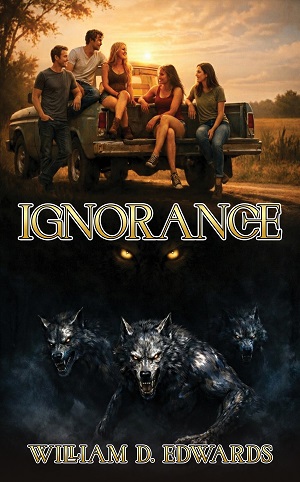 Ignorance
Horror · William D. Edwards
Ignorance
Horror · William D. Edwards
 The Dragon's Song
Fantasy · Edward Hamblin
The Dragon's Song
Fantasy · Edward Hamblin
 On the Edge of Love
Literary fiction · Edwin Fuller
On the Edge of Love
Literary fiction · Edwin Fuller
 Connection of Echoes
Poetry · GRG
Connection of Echoes
Poetry · GRG
A strong manuscript has to sound like you, make sense to the intended reader, and survive careful review. These are the four points we settle before volume becomes the priority.
If you are comparing a doctor book writer or a healthcare book ghostwriter, subject fit matters. We explain who is proposed for the project, what they can handle, and where specialist review will still be needed.
Interviews, reference material, and a sample chapter establish the register before the manuscript grows. You can correct tone, terminology, or audience level while changes are still easy to make.
YMYL health content can affect real decisions, so claims, cautions, sources, and patient-facing language need deliberate review. The writer flags them; the physician or designated reviewer approves them.
The manuscript is published under your name, and the approved files remain yours under the written agreement. We do not claim authorship, acquire rights, or substitute our judgment for yours.
Claims are tracked as the manuscript develops. Statements about diagnosis, treatment, safety, dosing, outcomes, or regulation are flagged for verification, and the medical accuracy review is completed by you or the qualified reviewer you designate. The writing team does not provide medical advice.
Sometimes, but the reader has to remain clear. If one manuscript needs both levels, we separate plain-language explanation from technical detail so the book does not swing unpredictably between registers.
Identifying details should not enter the manuscript by default. Case material is anonymized, composited, or generalized, then returned to you for review against your own professional, institutional, and legal obligations.
Yes, when research support is included in the scope. We can organize published clinical research, summarize agreed sources, format references, and flag gaps or conflicting evidence for your review. You confirm the final interpretation and citations.
A medical ghostwriter turns your expertise and source material into a manuscript under your name. The work can include interviews, book structure, research support, drafting, source tracking, and revisions. You provide the clinical judgment and approve what the book ultimately says.
No. Many medical writing services begin with interviews, lecture notes, patient handouts, research files, or a clear book idea. A draft can help, but it is not required.
Yes. Interviews are often the fastest way to capture how a physician explains difficult material in real life. With your consent, sessions can be recorded and transcribed, then turned into structured chapters for review.
Timing depends on manuscript length, interview availability, research depth, and the review process. Medical projects can also need extra time for source checking or specialist approval, so the written scope sets milestones before drafting begins.
Pricing is quoted per project after we review the idea and available material. The quote reflects length, research support, interview time, revision rounds, and any additional coordination required for clinical or medical accuracy review.
Yes. Project material and the existence of the engagement are treated as confidential under the written terms. If you have a preferred non-disclosure agreement or institutional requirement, it can be reviewed before work begins.
You do. Under the written agreement, the approved manuscript files and applicable rights remain with you. The book is published under your name; the ghostwriter does not take public credit for the manuscript.
Yes. Editing, proofreading, cover design, interior layout, publishing, and marketing can be scoped separately. You can use the medical book writing services on their own or continue into production with the same project team.
Start with the lecture, patient guide, research folder, or draft you already have. The first conversation is used to identify the reader, the strongest angle, the evidence and review requirements, and the clearest route to a manuscript you can approve and publish.