We write from your legal judgment
Your legal ghostwriter organizes and drafts the material, but you decide the legal position, level of detail, and what belongs in the book.

Tell us which stages your book still needs and we will quote the whole set in one place.
Request a single quoteOur legal book writing services help attorneys turn practice knowledge, client questions, and existing material into a clear manuscript written in their own voice.
An attorney authored book often starts with material that already works in practice: a client explanation you have refined for years, a CLE session, a conference talk, or an article that never had enough room.
We can build from approved briefs and memoranda, client guides, seminar notes, published articles, research files, interview transcripts, or a rough outline. The first job is to decide what belongs in the book and what does not.

A strong legal book gives the reader a better starting point before a consultation, seminar, referral, or business decision.
A practice area guide gives clients and referral sources a reliable explanation of the issues you handle, the questions that matter, and when professional advice becomes necessary.
Short posts rarely leave enough room for the reasoning behind a legal position. A book lets you develop the context, limits, examples, and practical consequences in one sustained argument.
A well focused attorney authored book gives colleagues, accountants, advisers, and existing clients a useful way to understand what you do and when your practice becomes relevant.
A law firm marketing book works best when it teaches first. The firm and attorney are visible, but the value comes from useful explanation, not repeated claims about credentials.
Complex legal questions rarely disappear after one conversation. A clear book gives readers a place to revisit definitions, process, risks, and next-step questions without asking you to repeat the same overview every time.
Legal books involve judgment, confidentiality, and reputation. The writing process should make those responsibilities easier to manage, not blur them.
Your legal ghostwriter organizes and drafts the material, but you decide the legal position, level of detail, and what belongs in the book.
Source access, interview participants, and review permissions are agreed before drafting. Sensitive examples can be anonymized, rewritten, or removed at your direction.
Marketing claims, testimonials, comparisons, authorship questions, and other ethics issues are surfaced for your firm or designated reviewer before publication.
The manuscript is written under your name. Ownership, royalties, approved files, and final signoff remain with you under the written agreement.
When research is part of the scope, authorities and source notes stay visible so you can verify the law, jurisdiction, and citation treatment before approval.
Length, research, interviews, revision rounds, citation work, and optional publishing services are written down before the project starts.

You do not need a polished draft. We need the book's purpose, your legal judgment, and enough source material to understand how you explain the subject when accuracy matters.
We also identify the reader, practice area, jurisdictions, and any firm or professional-conduct requirements that must be part of the review.
Attorney book writing services work best when the attorney can review direction early. The project is divided into clear deliverables so strategy, voice, legal accuracy, and scope can be corrected before the full manuscript is complete.
Your written scope identifies which research, citation, editing, and publishing tasks are included. Anything outside that scope is discussed before additional work is added.

A practice area guide can educate clients. An attorney authored book can build legal thought leadership. A law firm marketing book can support business development without reading like a brochure. We can also shape firm histories and legal memoirs.
Bring the idea, the reader you want to reach, and whatever material already exists. We will help you set the format, scope, research needs, and writing process before drafting begins.
We define who the book is for, the practice area, relevant jurisdictions, business goal, confidentiality limits, and any firm or bar requirements that need to be part of the review plan.
We organize the material into an approved structure, identify research gaps, agree how authorities will be handled, and set the interview and review schedule before drafting begins.
Your legal ghostwriter interviews you, studies the approved source material, completes the agreed research, and drafts chapters in a voice that sounds like the attorney whose name will appear on the cover.
You review legal accuracy, tone, client confidentiality, citation treatment, and any ethics or advertising issues before chapters move forward. Revisions stay within the agreed rounds.
Once the manuscript is approved, we prepare the agreed final files. Editing, design, formatting, publishing, or marketing can follow under a separate or expanded scope if you want those services coordinated by the same team.
Production timelines are estimates. Actual schedules vary with manuscript length, revision rounds, author response time and third-party retailer processing.
The strongest legal books know who they are for. Some speak to clients who need a plain-language practice area guide. Others are written for peers, referral sources, executives, or a broader public audience. The titles below were written and produced with our authors.
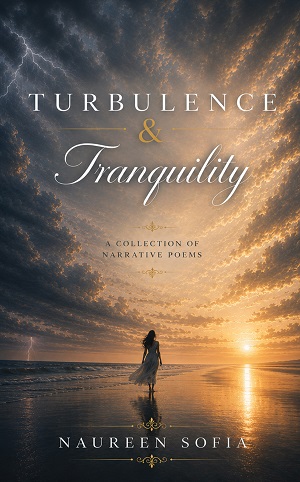 Turbulence & Tranquility
Narrative poetry · Naureen Sofia
Turbulence & Tranquility
Narrative poetry · Naureen Sofia
 Dina's Big Heart Glow
Children's picture book · Liz Moonwell
Dina's Big Heart Glow
Children's picture book · Liz Moonwell
 Knocked-out Sleepy Trebber
Children's fiction · Ethan Hawthorne
Knocked-out Sleepy Trebber
Children's fiction · Ethan Hawthorne
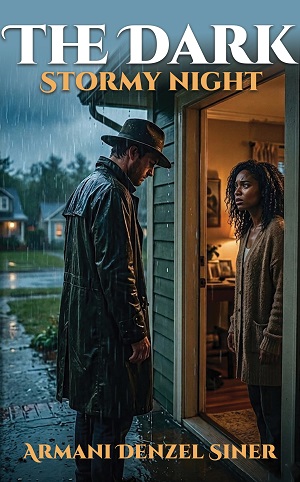 The Dark Stormy Night
Suspense · Armani Denzel Siner
The Dark Stormy Night
Suspense · Armani Denzel Siner
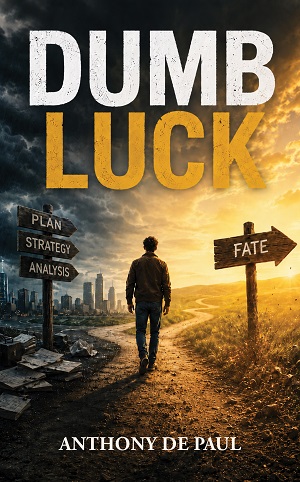 Dumb Luck
Contemporary fiction · Anthony De Paul
Dumb Luck
Contemporary fiction · Anthony De Paul
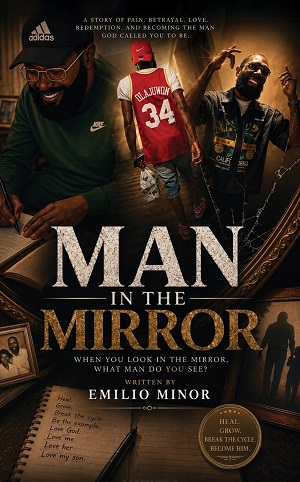 Man in the Mirror
Memoir · Emilio Minor
Man in the Mirror
Memoir · Emilio Minor
 The Weakened Heart, Strengthened Soul
Inspirational · Warren Delfin
The Weakened Heart, Strengthened Soul
Inspirational · Warren Delfin
 Architecture Governance and Execution
Technical nonfiction · Prab Singh
Architecture Governance and Execution
Technical nonfiction · Prab Singh
 Ignorance
Horror · William D. Edwards
Ignorance
Horror · William D. Edwards
 The Dragon's Song
Fantasy · Edward Hamblin
The Dragon's Song
Fantasy · Edward Hamblin
 On the Edge of Love
Literary fiction · Edwin Fuller
On the Edge of Love
Literary fiction · Edwin Fuller
 Connection of Echoes
Poetry · GRG
Connection of Echoes
Poetry · GRG
A legal book has to sound like the attorney whose name is on it and survive close review. Our process separates writing support from legal judgment, so you remain the final authority on the manuscript.
You are matched with a writer who can work through technical source material, client-facing explanations, and a book-length argument without turning the manuscript into generic legal copy.
Interviews, voice references, and an early sample chapter establish how you explain the law before the full draft grows. You can correct tone and emphasis while changes are still easy to make.
Access, anonymization, privilege concerns, and approvals are agreed before drafting. Anything sensitive goes back to your designated reviewer.
Copyright, royalties, and approved files remain yours. Your name is on the book, and you decide what is approved for publication.
We follow your firm's source rules. Identifying client facts are excluded unless you approve them, and examples can be anonymized. You decide whether privilege or conflicts review is required.
You are. We can organize sources and flag statements of law, but the attorney author or designated reviewer approves the legal analysis, jurisdiction, and authorities. We do not provide legal advice.
Questions involving bar rules, ghostwriting, attorney marketing, or authorship are treated as review points, not assumptions. If you want the manuscript to reference American Bar Association materials or state bar sources, those can be included in the agreed research set for your review.
This service is for books and long-form author content, not court filings or client briefs. If a project raises legal brief ghostwriting ethics questions, we keep that issue outside the book scope and direct it back to your firm's applicable rules and legal or ethics reviewer.
A law firm content writer is usually a better fit for articles, website pages, newsletters, and campaign content. A legal ghostwriter is better suited to a book that needs one sustained structure, interviews, chapter continuity, and repeated attorney review.
Yes. CLE presentations, client handouts, approved articles, seminar notes, and internal explanations can become the source base for a practice area guide. We reorganize the material for the intended reader instead of simply stitching old pieces together.
Yes. Interviews can fill the gaps between existing sources and capture the reasoning that never made it into the slides or article. Sessions are scheduled around your availability and used only within the agreed project workflow.
Timing depends on manuscript length, research depth, interview availability, citation work, and how quickly attorney review can happen. Your scope sets dated milestones before drafting begins, with review time built into the schedule.
Pricing is quoted per project after scope review. The figure reflects length, research and citation work, interviews, revisions, and any optional editing or publishing services.
Project access, source handling, and confidentiality terms are set in writing. We can also work within your firm's approved process or NDA when agreed before work begins.
You do under the written agreement. Copyright, royalties, and approved manuscript files remain with you. We provide legal book writing services and acquire no rights in the work.
Yes. Editing, proofreading, design, layout, publishing, and marketing can be added separately. Each service is scoped and quoted on its own, so ghostwriting does not require the rest.
Bring the CLE deck, article series, practice notes, client guide, or half-finished draft. We will help you decide the audience, structure, research needs, and writing scope before the first chapter is drafted.