Your evidence stays in control
The manuscript is built from the material you approve and the research agreed in the scope. We do not add unsupported detail for the sake of a smoother story.

Tell us which stages your book still needs and we will quote the whole set in one place.
Request a single quoteWork with a history book writer to turn archives, interviews, photographs, and years of research into a clear narrative with the chronology, context, and sources handled with care.
You may have a box of letters, a family archive, years of local research, an institutional record, or a draft that never found its shape. That is enough to begin.
A history book writer can work from timelines, oral histories, military and parish records, newspaper files, photographs, correspondence, previous articles, and research notes. The first job is to see what the material can support, then decide what the book is really about.

Facts matter, but readers also need a reason to turn the page. The structure has to carry both.
A chronology tells you what happened. A book has to decide what deserves space, what belongs in the background, and where the reader needs context. Your writer helps identify the main thread before chapters begin.
Dates, names, places, and sequence are checked against the material you provide and the agreed research plan. When sources conflict, the disagreement is flagged rather than silently resolved in the prose.
Primary sources can be fascinating and still stop a chapter cold. Letters, records, quotations, and statistics are brought in where they add evidence or texture, with enough context for the reader to understand why they matter.
History always has missing pieces. A responsible manuscript says when the record is uncertain, separates evidence from interpretation, and avoids turning a plausible guess into a fact.
Source notes, captions, permissions, and research queries are tracked as the manuscript develops. That gives you a cleaner review process and a book whose factual trail can still be followed after publication.
Historical writing asks for trust. The scope should tell you how research is handled, when you review the work, what happens when sources disagree, and exactly what you will receive.
The manuscript is built from the material you approve and the research agreed in the scope. We do not add unsupported detail for the sake of a smoother story.
If a date is unclear, a witness account conflicts with a record, or a source cannot support a claim, you see the issue. The text does not pretend certainty where none exists.
Chronology, chapter direction, and the main narrative thread are agreed before a full draft takes shape, so major structural problems are caught early.
Private family papers, interview recordings, institutional files, and unpublished research are handled under the confidentiality terms in your written agreement.
Copyright, royalties, and approved manuscript files remain yours under the written agreement. The ghostwriter does not claim authorship of your book.
Research tasks, source access, permissions work, manuscript length, revision rounds, schedule, and fees are defined before drafting begins.

You do not need to arrive with a polished outline. What matters is access to the evidence, a clear sense of the subject, and an idea of who should read the finished book. We can help turn that into a workable research and writing plan.
Some projects begin with decades of notes. Others begin with a few boxes, recordings, or an anniversary deadline. During the first stage, we sort what is usable, identify missing pieces, and decide which questions the book still needs to answer.
You should see the plan, sample, and draft in stages. A history book writing service should give you clear checkpoints before the manuscript is final.
Exact deliverables depend on research depth and manuscript length. The written scope confirms what is included before work begins.

Family archives, company records, military research, local history, and oral testimony can all become books when the evidence has a clear narrative.
If you are deciding whether to hire a history book writer, start with the material you already have. A publishing consultant can review the scope, identify the likely research gaps, and explain what should happen before drafting starts. You receive a written project scope before work begins.
We clarify what the book will cover, who it is for, what material already exists, what has to stay confidential, and what the project must accomplish.
Your writer reviews the available material, maps the main sources, identifies gaps or conflicts, and proposes a chronology and chapter plan for approval.
Interviews and agreed research continue as needed. Draft chapters are written around the approved structure, with source questions flagged while there is still time to resolve them.
You review the chapters for accuracy, emphasis, tone, and interpretation. Corrections and agreed revisions are made without blurring the difference between evidence and inference.
The included revisions are completed, source notes and permission flags are checked, and the final manuscript is prepared for editing, design, or publication when those services are part of the scope.
Production timelines are estimates. Actual schedules vary with manuscript length, revision rounds, author response time and third-party retailer processing.
A family story, a company centenary, a military history, and a local archive need different structures. The titles shown here were written and produced with our authors.
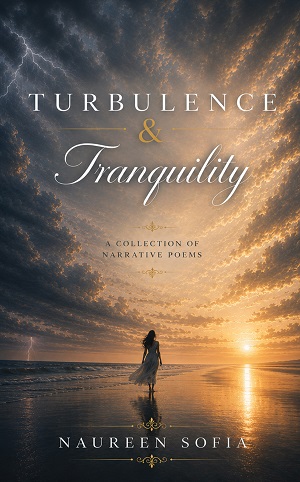 Turbulence & Tranquility
Narrative poetry · Naureen Sofia
Turbulence & Tranquility
Narrative poetry · Naureen Sofia
 Dina's Big Heart Glow
Children's picture book · Liz Moonwell
Dina's Big Heart Glow
Children's picture book · Liz Moonwell
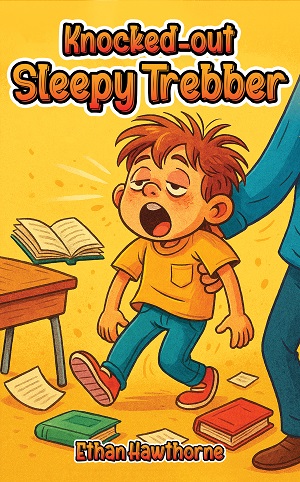 Knocked-out Sleepy Trebber
Children's fiction · Ethan Hawthorne
Knocked-out Sleepy Trebber
Children's fiction · Ethan Hawthorne
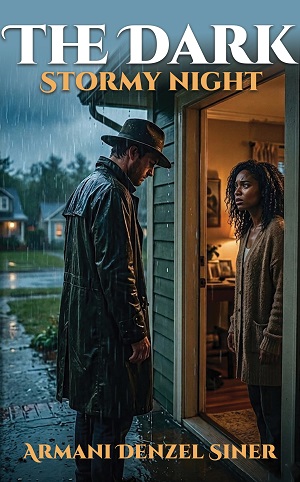 The Dark Stormy Night
Suspense · Armani Denzel Siner
The Dark Stormy Night
Suspense · Armani Denzel Siner
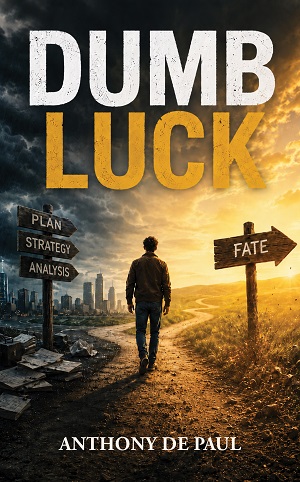 Dumb Luck
Contemporary fiction · Anthony De Paul
Dumb Luck
Contemporary fiction · Anthony De Paul
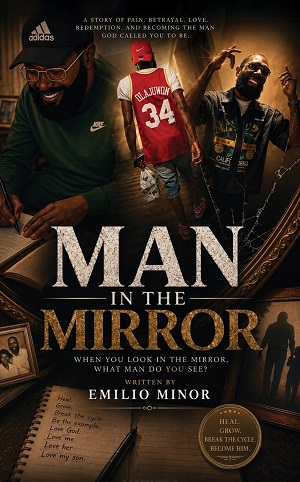 Man in the Mirror
Memoir · Emilio Minor
Man in the Mirror
Memoir · Emilio Minor
 The Weakened Heart, Strengthened Soul
Inspirational · Warren Delfin
The Weakened Heart, Strengthened Soul
Inspirational · Warren Delfin
 Architecture Governance and Execution
Technical nonfiction · Prab Singh
Architecture Governance and Execution
Technical nonfiction · Prab Singh
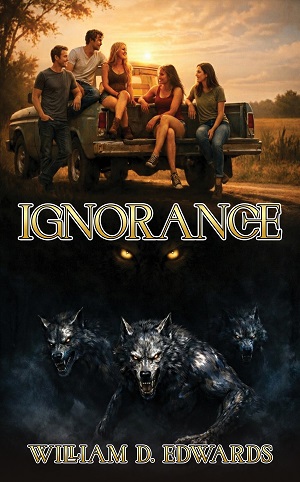 Ignorance
Horror · William D. Edwards
Ignorance
Horror · William D. Edwards
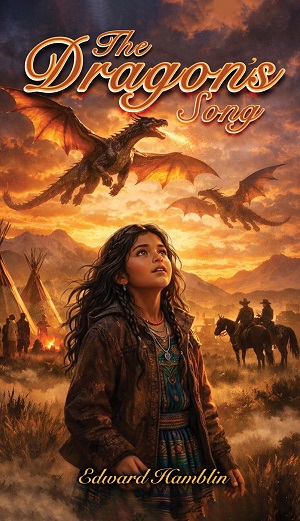 The Dragon's Song
Fantasy · Edward Hamblin
The Dragon's Song
Fantasy · Edward Hamblin
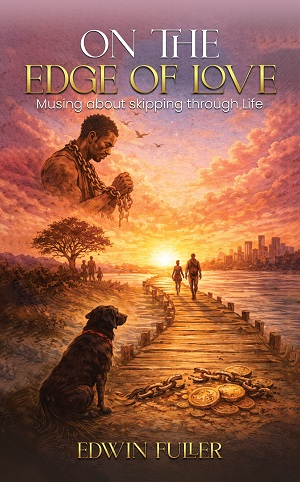 On the Edge of Love
Literary fiction · Edwin Fuller
On the Edge of Love
Literary fiction · Edwin Fuller
 Connection of Echoes
Poetry · GRG
Connection of Echoes
Poetry · GRG
The writing matters, but so does the process behind it. Your agreement sets out how sources are handled, what the writer is responsible for, when you approve the work, and what happens before the manuscript moves forward.
You meet the history book writer proposed for the project and learn why their background fits the subject. The right match should be comfortable with research, chronology, source intensive material, and the type of history you are trying to tell.
Interviews, source lists, timelines, and an early sample come before long stretches of drafting. You can correct emphasis or interpretation while the manuscript is still easy to change.
If sources disagree, the writer does not bury the problem. Competing accounts, missing evidence, and unresolved questions are brought to you so the final wording reflects what the record can honestly support.
Copyright, royalties, and approved manuscript files remain yours under the written agreement. Your name goes on the book, and the ghostwriter does not acquire rights in the research or manuscript.
Yes. The agreed research plan can cover material you supply, digitized archives, ordered records, transcripts, and archival documents. If the project needs paid access, travel, or in-person archive work, those costs and responsibilities are agreed before anything is commissioned.
We flag the conflict and trace what each version rests on. The manuscript can explain the uncertainty, favor the stronger evidence when that is justified, or leave the question open. We do not invent a clean answer simply because it reads better.
Yes. Family histories often combine records with interviews and private papers. Company and local histories may rely more heavily on archives, newspapers, minutes, photographs, and institutional records. In each case, the chronology and narrative approach are agreed before full drafting.
Images and documents can be logged with captions, credits, and placement notes for the manuscript. Material that needs permission is flagged for you, and any third-party license or reproduction fee sits outside the writing scope unless specifically included.
A history ghostwriter turns research into a book under your name. That can include source review, interviews, chronology work, chapter planning, drafting, fact queries, and revisions. Our history ghostwriting services are collaborative, so you approve the direction and the manuscript as it develops.
No. A draft can help, but it is not required. You can begin with notes, a timeline, oral histories, scanned records, boxes of documents, or simply a well-defined subject. The first task is to assess the material and work out what the book still needs.
Yes. Interviews can supply context, memory, and detail that records do not capture. Sessions are scheduled with consent, recorded when appropriate, and transcribed or summarized so the material can be checked against the rest of the evidence.
Timing depends on manuscript length, source volume, research access, interview schedules, and how quickly chapters are reviewed. Archive heavy projects usually need more time than projects built from organized material. Your scope includes a schedule with dated milestones.
Cost is quoted after the material and research needs are reviewed. The main variables are manuscript length, source volume, research depth, interviews, archive access, permissions work, and the revision rounds included. You receive the scope and price in writing before you commit.
Yes. Private archives, unpublished research, interview material, family information, and the existence of the project can all be covered by the confidentiality terms in the written agreement. We can also work under your own non-disclosure agreement where appropriate.
You do. Under the written agreement, copyright, royalties, and the approved manuscript files remain with you. We provide the writing service and do not acquire rights in your history, research, or finished book.
Yes. Editing, proofreading, cover design, interior layout, publishing, and marketing can be quoted as separate services and coordinated by the same team. Hiring a ghostwriter does not require you to purchase those services.
If you want to write a history book but the archive feels bigger than the manuscript, bring what you have. We can help identify the clearest narrative route, the research still missing, and the right next step before you commit to a full project.