Your premise stays recognizable
We develop the story you came in with. If a bigger change would improve the novel, you see the reason and approve it before it becomes part of the draft.

Tell us which stages your book still needs and we will quote the whole set in one place.
Request a single quoteA fiction book writer can take a premise, partial draft, or rough outline and build it into a novel with clear plot development, believable character arcs, controlled pacing, and a narrative voice that stays consistent.
You may have one scene you can see clearly, a character who keeps returning, or an ending you know before the middle exists. That is enough to start a useful conversation.
We can also work from an outline, unfinished chapters, voice notes, research, a synopsis, or pages that no longer fit together. The first job is to see what the story is trying to become.

Readers feel the weak spots long before they can name them. A plot can stall, a character can change without earning it, or the middle can lose pressure. Those problems are easier to solve before they spread through eighty thousand words.
Plot development turns scattered scenes into cause and effect. We map the major turns, the stakes, and the ending so each chapter has a reason to exist.
A character arc works when choices have consequences. We track what the protagonist wants, what keeps getting in the way, and what has to change by the final pages.
First person, close third, multiple viewpoints, past tense, present tense. The choice affects distance, tension, and how much the reader knows. We test the narrative voice early and keep it consistent once it is approved.
Genre fiction conventions matter because readers notice when a promise is missing. A mystery needs fair clues, a romance needs emotional payoff, and a thriller cannot wait too long to tighten the screws. We use conventions as expectations, not a template.
Manuscript pacing is usually a structural problem, not a sentence problem. We look for chapters that repeat a beat, scenes that arrive too late, and stretches where nothing changes. Then we adjust before the draft hardens around them.
Fiction gets personal fast. The premise may be yours, the characters may borrow from real people, and one change to the plot can alter the whole book. These are the rules we keep visible while the manuscript is being built.
We develop the story you came in with. If a bigger change would improve the novel, you see the reason and approve it before it becomes part of the draft.
Plot, point of view, story structure, and major character arcs are settled far enough to prevent avoidable rewrites later.
You review a sample chapter before the manuscript gets long. That is where we fix distance, tone, dialogue, and anything that does not sound like your book.
Drafts, notes, real-life references, and project details stay within the agreed team and confidentiality terms.
Target length, deliverables, revision rounds, research, schedule, and fees are written down before drafting begins.
Copyright, royalties, and approved files remain with you under the written agreement. We write the book; we do not acquire the story.

You do not need a finished outline. We do need to understand what you want the novel to feel like, who it follows, and what kind of reader you hope will pick it up. That gives the fiction book writer a useful starting point instead of a blank page.
If the project is still loose, that is fine. Notes, scenes, recordings, character sketches, research, or a half-finished draft can all be useful. We sort the material first, then identify the decisions that still need to be made.
Fiction writing services should leave you with more than a growing word count. Before drafting gets deep, you should be able to see how the story is being built and what you will review at each stage.
The exact deliverables depend on whether you need plot development, a full draft, a rewrite, or help finishing an existing novel. Your written scope lists what is included before work begins.

A romance, mystery, thriller, historical novel, literary novel, or speculative story cannot all be paced the same way. Genre fiction conventions affect scene length, tension, revelation, point of view, and the kind of ending readers expect. We shape the book around its actual shelf, not a generic formula.
Bring the premise, partial draft, synopsis, or notes. We will look at what already works, where the story is thin, and whether the next step should be development, rewriting, or full fiction ghostwriting services.
We talk through the premise, genre, intended reader, characters, ending if you have one, existing material, and any real-life details that need careful handling.
We map the core conflict, turning points, character arcs, chapter order, and the questions the novel must answer before full drafting begins.
Your writer drafts a representative chapter so you can judge point of view, tone, dialogue, and distance. We adjust the voice here, while changes are still easy.
Chapters arrive in agreed batches. You review story choices and continuity while the writer tracks manuscript pacing, character logic, and unresolved plot threads.
We complete the included revision rounds, resolve continuity issues, and prepare the clean manuscript. Editing, design, publishing, or marketing can be scoped separately if you need them.
Production timelines are estimates. Actual schedules vary with manuscript length, revision rounds, author response time and third-party retailer processing.
Some projects need a novel ghostwriter for hire from page one. Others need plot repair, a stronger middle, or a writer who can finish what already exists. The titles below were written and produced with our authors.
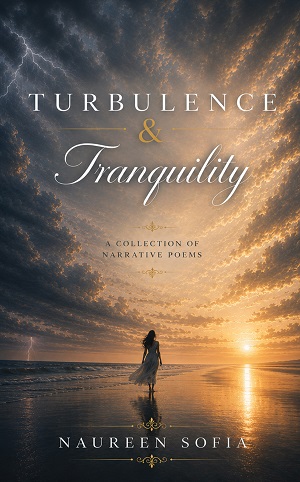 Turbulence & Tranquility
Narrative poetry · Naureen Sofia
Turbulence & Tranquility
Narrative poetry · Naureen Sofia
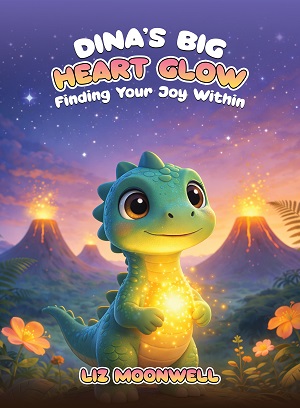 Dina's Big Heart Glow
Children's picture book · Liz Moonwell
Dina's Big Heart Glow
Children's picture book · Liz Moonwell
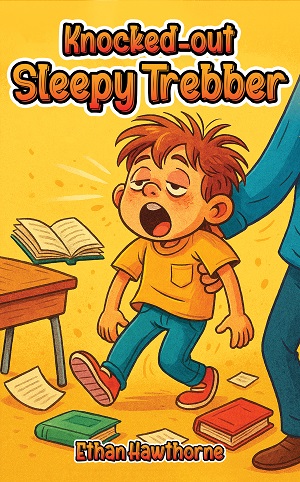 Knocked-out Sleepy Trebber
Children's fiction · Ethan Hawthorne
Knocked-out Sleepy Trebber
Children's fiction · Ethan Hawthorne
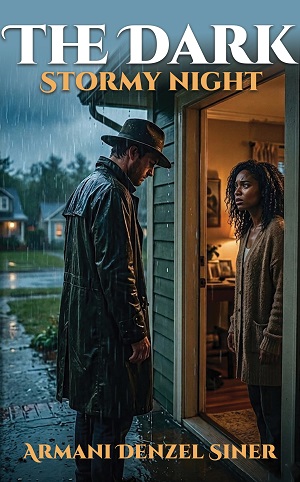 The Dark Stormy Night
Suspense · Armani Denzel Siner
The Dark Stormy Night
Suspense · Armani Denzel Siner
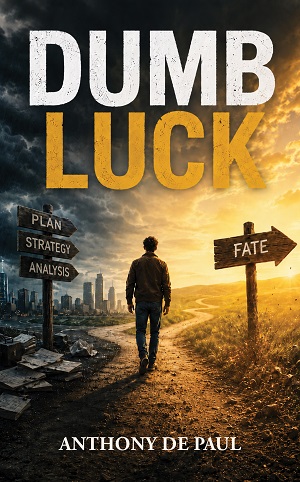 Dumb Luck
Contemporary fiction · Anthony De Paul
Dumb Luck
Contemporary fiction · Anthony De Paul
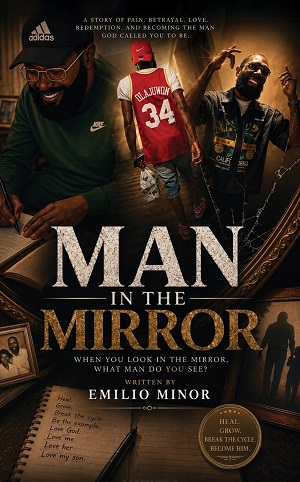 Man in the Mirror
Memoir · Emilio Minor
Man in the Mirror
Memoir · Emilio Minor
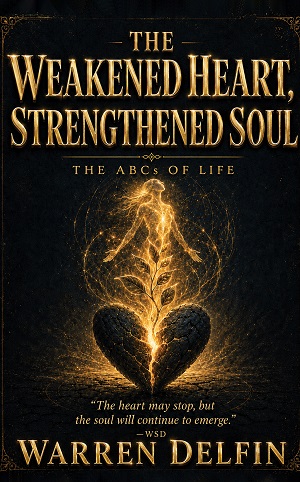 The Weakened Heart, Strengthened Soul
Inspirational · Warren Delfin
The Weakened Heart, Strengthened Soul
Inspirational · Warren Delfin
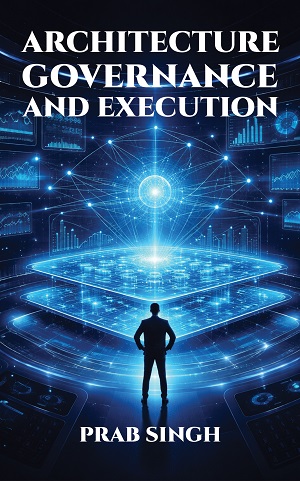 Architecture Governance and Execution
Technical nonfiction · Prab Singh
Architecture Governance and Execution
Technical nonfiction · Prab Singh
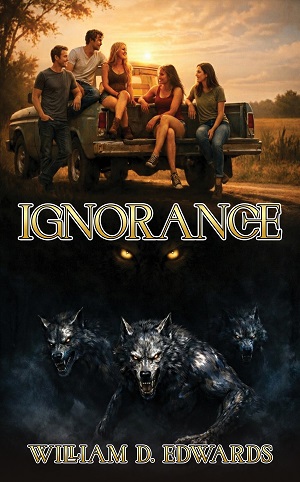 Ignorance
Horror · William D. Edwards
Ignorance
Horror · William D. Edwards
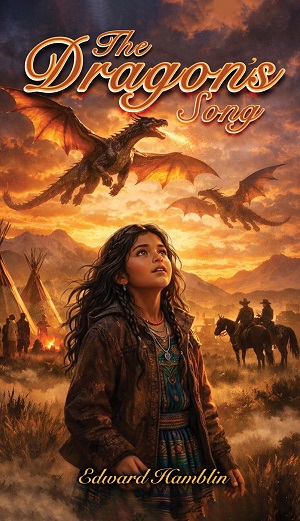 The Dragon's Song
Fantasy · Edward Hamblin
The Dragon's Song
Fantasy · Edward Hamblin
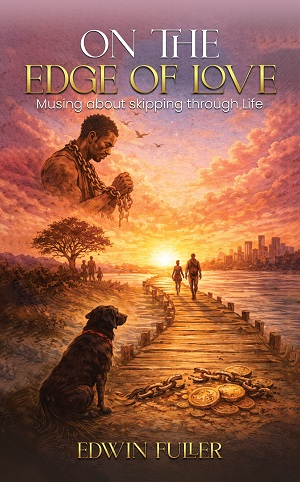 On the Edge of Love
Literary fiction · Edwin Fuller
On the Edge of Love
Literary fiction · Edwin Fuller
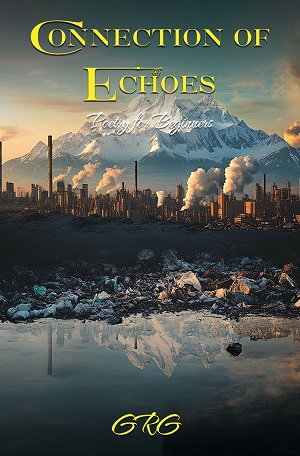 Connection of Echoes
Poetry · GRG
Connection of Echoes
Poetry · GRG
Good fiction ghostwriting services give you room to make decisions without asking you to write every sentence yourself. The working agreement sets out who decides what, when you review it, and what remains yours.
You are introduced to the proposed fiction writer and why they fit the project. A writer who understands the genre can spot pacing, point of view, and convention problems before they become expensive rewrites.
We use your references and a sample chapter to settle the narrative voice. You can reject what feels wrong while the draft is still short enough to change without waste.
Major changes to the plot, character arc, ending, or structure come back to you for approval. The writer can recommend. You decide what book is being written.
Copyright, royalties, and approved manuscript files remain yours under the written agreement. The novel is delivered for publication under your name unless you choose another credit arrangement.
Yes. We first read what exists and identify the continuity, structure, voice, and pacing issues that affect the rest of the book. From there, we can continue in the established voice, rebuild selected sections, or revise the plan before new chapters are written.
We use your genre and comparison titles to define the reader promise early. The goal is not to copy another author. It is to understand what your category expects around point of view, pacing, heat level, mystery, world rules, or the ending, then make deliberate choices for your novel.
Yes. Plot development can start with a premise, main character, conflict, and the ending you hope to reach. We build the story structure around cause and effect, then test whether each major turn forces the next one.
Yes. Character notes are enough to begin. We look at what each major character wants, what they fear, what they misunderstand, and what their choices cost. That gives the arc something the plot can actually pressure.
We do not choose it by habit. Point of view, tense, distance, and sentence feel are tested against the story. You review a sample chapter before the choice is carried through the full manuscript.
We track what changes in each chapter. If scenes repeat information, delay a decision, or release tension too early, the structure gets adjusted. Pacing is reviewed at the chapter level and again across the whole draft.
Look for someone who can explain how they handle plot, character arc, continuity, genre expectations, and revision, not only show polished prose. You should also know who owns the work, how feedback is handled, and what the scope includes.
It depends on the target length, how much development comes before drafting, the amount of research, and how quickly you review chapters. The schedule is set in writing after the project is assessed.
Pricing is quoted by project after we review the material and scope. The figure reflects target length, development needs, research, drafting, and the revision rounds included. You see the quote before work begins.
Yes. Your premise, notes, draft, personal material, and the existence of the project are treated as confidential under the written agreement. If you have a separate NDA, we can review it before work starts.
You do. Copyright, royalties, and the approved manuscript files remain with you under the written agreement. We provide a writing service and do not acquire rights in your fiction.
Yes. Editing, proofreading, cover design, interior layout, publishing, and marketing can be quoted separately. Using our fiction writing services does not require you to buy the later production services.
Bring the premise, partial draft, character notes, or outline. We will help you identify whether the project needs plot development, a rewrite, a complete draft, or a combination, then define the next step in writing.